
Find a place in Dortmund within 4 weeks

Emoji de détective avec chapeau, loupe et cheveux gris.
Shortlists properties and visits them for you

Icône de deux mains se serrant avec des flèches bleues au-dessus symbolisant un accord ou partenariat.
Backs your application and negotiates the lease

Icône de bouclier vert avec une coche blanche, symbole de sécurité ou d'assurance.
Every step protected, no hidden surprises

Why choose a home finder ?

Aude, ou un autre de nos chasseurs à Dortmund, prendra en charge votre recherche
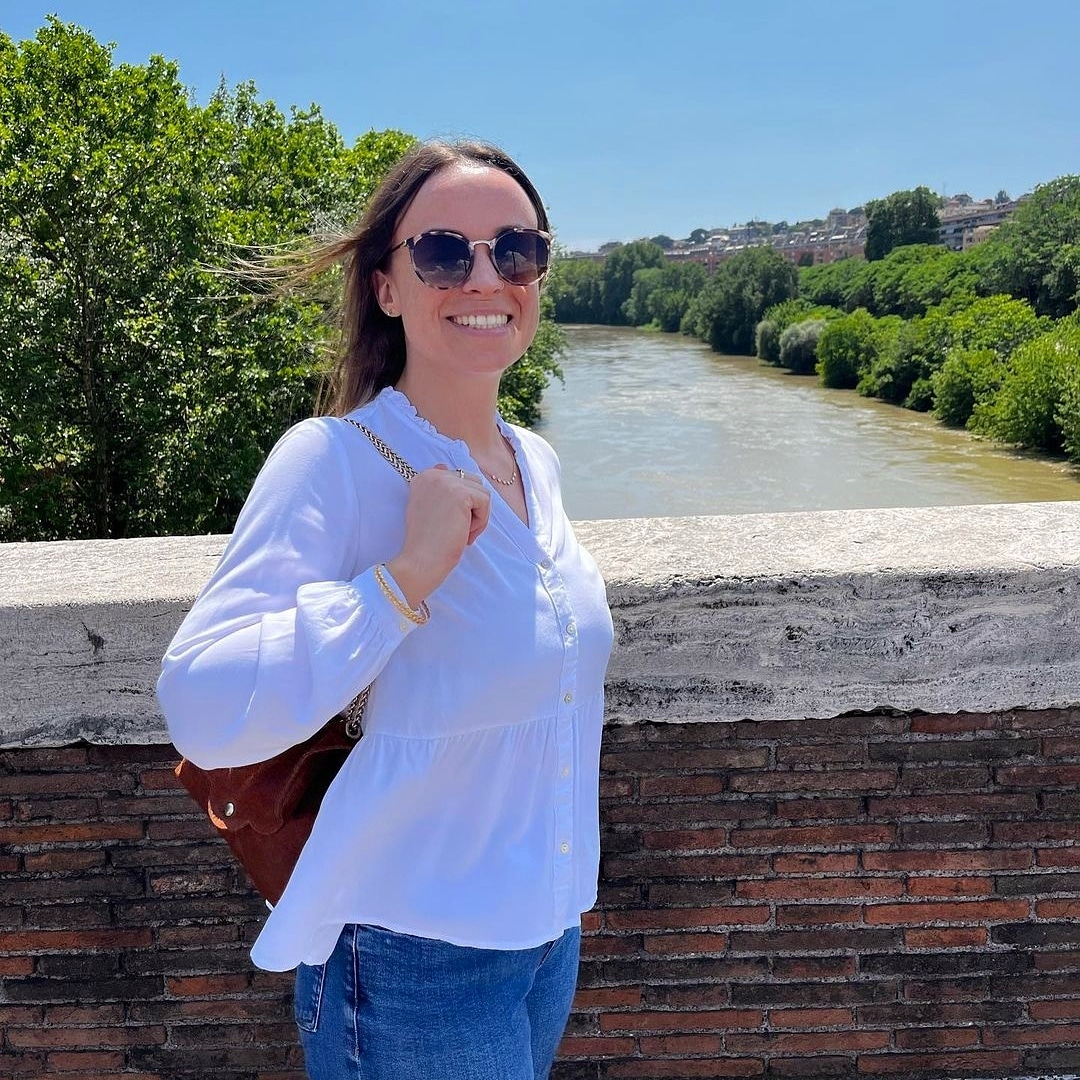
Photo chasseur immobilier - Anne - Dortmund

Anne, ou un autre de nos chasseurs à Dortmund, prendra en charge votre recherche

Reliability of listings
Your hunter is there to select the goods, he visits them, alone, with you in person, or with you by video. And above all, he knows how to rely on reliable business partners who only present him with quality goods.
A pen icon
Market access
Your hunter can offer you his own goods, he also has access to all the offers published on the market, and even to quite a few off market offers
A pen icon
Scam risk
At Remoters, we no longer count the number of French people who have signed a rental contract abroad, without understanding it. Some unscrupulous sellers take advantage of this to insert conditions that are disadvantageous for the tenant. This cannot happen when the contract is reviewed by our hunter.
A pen icon
Access to local prices
Symbole d'information en cercle bleu foncé sur fond transparent.
When you search alone, about 85% of the time is spent on research, and 15% on visits. With a hunter, you only do the visits
A pen icon
Application accepted
In areas where homeowners have plenty of candidates to choose from, they rarely choose foreigners first. Your hunter will use his influence (and his mastery of the language) to put your case before others.
A pen icon
Satisfaction
Only 20% of satisfied buyers according to the 2018 Crédit Foncier study. For its part, Remoters gets a score of 4/5 or 5/5 in 95% of cases
A pen icon

Browsing online listings

Weak
Weak
Elevated
Icône rouge de croix X sur fond blanc.
Uncertain
20%

Finding with Remoters

Total
Total
Weak
Very likely
95%
Dortmund

Dortmund is the largest city in the Ruhr metropolitan area and the eighth-largest in Germany, home to over 600,000 residents. The city offers some of the most affordable long-term rental conditions among major German cities, with an average cold rent of approximately 8.57 EUR/m² (ImmoScout24). Sought-after districts for renters include Kreuzviertel, Südviertel and the regenerated Hafen quarter, while more budget-friendly options are found in Scharnhorst and Aplerbeck. The presence of Technische Universität Dortmund and a growing technology and logistics sector sustain strong rental demand, particularly from students and young professionals. Renting in Dortmund follows standard German procedures, including the submission of a SCHUFA report, proof of income and mandatory address registration (Anmeldung) within 14 days of moving in.

Dortmund in brief: One of Germany's most affordable major cities for long-term renters, with average cold rents around 8.57 EUR/m² (ImmoScout24). Top districts for renters include Kreuzviertel (trendy, higher rents), Südviertel (residential, expat-friendly) and Scharnhorst (budget-friendly). To rent in Germany, you need a SCHUFA report, proof of income and a valid ID. After moving in, register your address at the City of Dortmund within 14 days (Anmeldung). Budget for Nebenkosten (utilities) on top of your cold rent, and plan for a security deposit of up to three months' cold rent.

Dortmund offers a compelling combination of affordability, urban amenities and quality of life that makes it an attractive destination for long-term residents, expats and remote workers alike.

  • Affordable cost of living: Rents are among the lowest of any major German city, with average cold rents around 8.57 EUR/m² (ImmoScout24), making it possible to live comfortably on a moderate budget.
  • Green city: Despite its industrial heritage, nearly half of Dortmund's surface area is covered by parks and green spaces, earning it the nickname "green metropolis".
  • Strong academic and research base: The city is home to Technische Universität Dortmund (TU Dortmund) and several other higher education institutions, fostering a young, international community.
  • Economic opportunities: Dortmund has reinvented itself as a hub for technology, logistics and automotive industries, with numerous international companies and research institutes present in the city.
  • Excellent transport links: The city is well connected by the S-Bahn, U-Bahn and regional rail networks, with direct train connections to Cologne, Düsseldorf and other major Ruhr cities.
  • Cultural and sports life: From the iconic Signal Iduna Park (home of Borussia Dortmund) to the Reinoldikirche, the Dortmund U cultural centre and a vibrant food and café scene, the city offers a rich urban experience.

Day-to-day life in Dortmund is practical, affordable and well-organised. Here is what to expect once you have found your long-term rental:

  • Public transport: The city is served by an extensive network of U-Bahn, S-Bahn, trams and buses operated by DSW21 and the VRR (Verkehrsverbund Rhein-Ruhr). A monthly public transport pass gives you access across the Ruhr region.
  • Supermarkets and daily shopping: Major chains including REWE, Edeka, Aldi and Lidl are well distributed across all districts. The Westenhellweg pedestrian zone in the city centre is one of Germany's busiest shopping streets.
  • Healthcare: Dortmund has several major hospitals, including the Klinikum Dortmund, and a dense network of GPs and specialists. Registering with a Hausarzt (GP) shortly after arrival is recommended.
  • Banking: Opening a German bank account (Girokonto) is essential for paying rent by standing order. You will need your Anmeldung certificate to open an account at most banks.
  • Internet and utilities: Broadband contracts are widely available. Note that Dortmund ranks among the highest in Western Europe for basic utility costs (electricity, heating, water) per apartment (Numbeo, 2025) — factor this into your monthly budget.
  • Community and culture: The city hosts a lively cultural calendar, from events at the Dortmund U arts centre to the famous Weihnachtsmarkt (Christmas market) and the passionate football culture around Borussia Dortmund at Signal Iduna Park.

Dortmund's long-term rental market is shaped by its role as the largest city in the Ruhr metropolitan area and the eighth-largest city in Germany, with over 600,000 residents. The city has undergone a significant economic transformation — from heavy industry to technology, logistics and higher education — which has driven steady demand for rental housing, particularly from students, young professionals and international workers.

The housing stock is diverse, ranging from traditional Altbau buildings and post-war blocks to modern new-build developments near the city centre and the Hafen (harbour) district. According to ImmoScout24, the average cold rent is approximately 8.57 EUR/m², well below the national average for comparable cities. Demand is strongest in central and well-connected districts such as Kreuzviertel, Innenstadt and Südviertel, where vacancy rates are low and competition among applicants can be intense.

The market remains more accessible than in cities like Munich or Berlin, but rents have been rising gradually. Platforms such as ImmobilienScout24, ImmoWelt and WG-Gesucht are the primary channels for finding long-term rentals in Dortmund.

Dortmund is divided into several distinct districts, each with its own character and rental price range. Here is an overview of the main neighbourhoods to consider for long-term rental:

  • Kreuzviertel: Dortmund's most sought-after residential district, known for its vibrant arts scene, tree-lined streets, independent boutiques and lively café culture. Popular with young professionals and creatives. Rents are among the highest in the city, reaching around 12 EUR/m² (Housenix, 2023).
  • Innenstadt (City Centre): The commercial and administrative heart of Dortmund, offering excellent transport connections and proximity to shops, restaurants and cultural venues. A good base for professionals who need easy access to the whole city.
  • Südviertel: A quieter, residential district south of the city centre, popular with expats and families. Well connected and offering a good balance between central location and neighbourhood feel.
  • Hafen (Harbour District): A regenerated former industrial area that has become a trendy urban quarter with loft-style apartments, restaurants and creative businesses. Rents have risen significantly, averaging around 12 EUR/m² (Housenix, 2023).
  • Scharnhorst: Located in the north-east of the city, Scharnhorst is one of the more affordable districts, with rents typically between 8–10 EUR/m² (Housenix, 2023). A practical choice for budget-conscious renters.
  • Aplerbeck: A suburban district in the south-east, offering spacious apartments and houses at lower price points, suitable for families or those who prefer a quieter environment.

Dortmund consistently ranks among the most affordable large cities in Germany for long-term renters. Compared to Berlin, rents in Dortmund are on average nearly 49% lower (Numbeo, 2025), and the gap with Munich or Hamburg is even wider. The city's position in the Ruhr metropolitan area means tenants benefit from a large and diverse housing stock — from classic Altbau apartments to modern new-builds — at prices that remain accessible for professionals, students and families alike.

Budget-conscious renters can find comfortable one-bedroom flats in outer districts for under 650 EUR/month (cold rent), while those seeking a central or trendy location should plan for 750–1,000 EUR/month or more. Always account for Nebenkosten (ancillary costs covering heating, water, building maintenance) when comparing listings, as these are typically listed separately in German rental ads.

Dortmund is one of the most affordable major cities in Germany for long-term renters. According to ImmoScout24, the average rent stands at around 8.57 EUR per square metre (cold rent / Kaltmiete), making it significantly cheaper than cities such as Munich, Hamburg or Frankfurt. According to HousingAnywhere's International Rent Index (Q2 2025), the average monthly rent for an apartment in Dortmund is approximately 1,100 EUR/month.

  • Studio / room in a shared flat (WG): from around 350–550 EUR/month
  • 1-bedroom apartment (city centre): approximately 650–850 EUR/month
  • 1-bedroom apartment (outer districts): approximately 450–650 EUR/month
  • 2-bedroom apartment: approximately 600–1,000 EUR/month depending on location and condition
  • Utilities (Nebenkosten): typically add 150–250 EUR/month on top of cold rent

Premium or newly renovated flats in sought-after districts such as Kreuzviertel or the Hafen area can reach up to 12 EUR/m² or more (source: Housenix, 2023). Outer districts like Scharnhorst or Aplerbeck remain more affordable, with rents hovering between 8–10 EUR/m² (source: Housenix, 2023).

Renting a long-term apartment in Dortmund follows the standard German rental process. Here is a step-by-step overview:

  1. Define your search criteria: Decide on your preferred district, budget (including Nebenkosten), apartment size and desired move-in date before starting your search.
  2. Search on major platforms: Use ImmobilienScout24, ImmoWelt, eBay Kleinanzeigen (Kleinanzeigen.de) and WG-Gesucht (for shared flats) to browse available listings in Dortmund.
  3. Prepare your rental dossier (Bewerbungsmappe): Assemble your application file in advance. Landlords typically require: a copy of your passport or ID, the last two to three payslips or proof of income, a SCHUFA credit report (Bonitätsauskunft), a completed self-disclosure form (Mieterselbstauskunft), and a reference letter from your previous landlord if available.
  4. Attend viewings: Bring your complete dossier to every viewing. Being ready to submit on the spot significantly improves your chances in a competitive market.
  5. Sign the Mietvertrag: Review the rental contract carefully. Check the cold rent, Nebenkosten breakdown, notice period (usually 3 months), and any clauses regarding renovation obligations.
  6. Pay the security deposit (Kaution): Under §551 BGB, the deposit is capped at three months of cold rent. You have the legal right to pay it in three equal monthly instalments.
  7. Register your address (Anmeldung): Within 14 days of moving in, register your new address at the City of Dortmund's residents' registration office (Einwohnermeldeamt). You will need your passport, the signed rental contract and the Wohnungsgeberbestätigung (landlord confirmation form).

When searching for a long-term rental in Dortmund, newcomers often make the following mistakes:

  1. Ignoring Nebenkosten: Many tenants focus only on the cold rent (Kaltmiete) advertised in listings, forgetting that utilities and service charges (Nebenkosten) add a significant amount — typically 150–250 EUR/month — to the total monthly cost.
  2. Arriving without a complete rental dossier: Dortmund landlords expect a ready-to-submit application file. Missing documents (SCHUFA report, proof of income, ID copy) will cost you the flat in a competitive market.
  3. Underestimating the security deposit: German law (§551 BGB) allows landlords to request up to three months of cold rent as a Kaution. Failing to budget for this upfront cost is a common surprise for first-time renters in Germany.
  4. Not registering your address (Anmeldung): After moving in, you must register your new address with the City of Dortmund within 14 days. Skipping or delaying this step can cause problems with your bank, employer and public services.
  5. Overlooking the Wohnungsgeberbestätigung: This landlord confirmation form is mandatory for the Anmeldung. Always request it from your landlord before or at the time of signing the lease.
  6. Searching too late: Demand for well-priced flats in central districts like Kreuzviertel or Innenstadt is high. Starting your search at least 6–8 weeks before your intended move-in date is strongly recommended.
  1. Prepare your dossier before you start viewing: Have your SCHUFA report, last three payslips, passport copy and Mieterselbstauskunft ready to submit at any viewing. Landlords in Dortmund often decide quickly.
  2. Always read the full Mietvertrag: Pay close attention to the Nebenkosten breakdown, the notice period (typically 3 months), and any renovation or repainting clauses (Schönheitsreparaturen) before signing.
  3. Budget for the Kaution: The security deposit can be up to three months of cold rent. Under §551 BGB, you have the legal right to pay it in three equal monthly instalments — use this right if needed.
  4. Register your address promptly: Book your Anmeldung appointment at the Einwohnermeldeamt as soon as you have a signed lease. The 14-day deadline is strictly observed and you will need your Wohnungsgeberbestätigung from your landlord.
  5. Factor in Nebenkosten: German rental listings show cold rent (Kaltmiete) separately from utilities. Always ask for the Betriebskostenabrechnung or an estimate of monthly Nebenkosten before committing.
  6. Explore outer districts for better value: Districts like Scharnhorst, Aplerbeck or Hörde offer significantly lower rents than Kreuzviertel or the city centre, while still benefiting from good public transport connections.
  7. Use multiple platforms: Combine ImmobilienScout24, ImmoWelt, Kleinanzeigen.de and WG-Gesucht to maximise your chances of finding available listings quickly.

Finding a long-term rental in Dortmund as a newcomer or expat can be challenging — especially when navigating German-language listings, assembling a compliant rental dossier and understanding local lease terms. Remoters offers personalised rental search support to help you identify the right neighbourhood, shortlist suitable apartments and prepare a strong application file tailored to Dortmund's rental market. Whether you are relocating for work, study or a lifestyle change, having dedicated assistance can save you significant time and reduce the stress of searching from abroad.

What are you looking for in Dortmund?

One of our home finders will look for the ideal property for you

How does it work?

1

First contact:Your home finder offers a free call to understand your needs.

2
Quote: If you’re ready to move forward, you’ll receive a personalized quote via Remoters.
3
Mission start: Once approved and paid, the housing search begins.
4
Support: Your home finder assists you through to the lease signing and your arrival.
5
Feedback: Share your review — your satisfaction is our priority !
Couple allongé sur le lit, pieds contre la tête de lit, s'enlaçant et regardant l'un l'autre.

We are present around the world!

Remoters continues to grow!
We are recruiting new home finders everywhere, do not hesitate to apply
Carte du monde en trois panneaux avec des marqueurs rouges indiquant des emplacements en Amériques, Europe, Afrique et Asie.I am applying