
Our home finder in Trento will help you find your ideal home

Save time and skip the stress

A hand holding a small white house with a red roof and a blue door.
Rent at real local prices

Green shield icon with a white tick: security.
Secure your new home safely from abroad

Why choose a home finder ?

Home finder widad (Trento)

widad or another of our home finders will handle your search.

Reliability of listings
Information symbol.
Your home finder is there to select the goods, he visits them, alone, with you in person, or with you by video. And above all, he knows how to rely on reliable business partners who only present him with quality goods.
Icône de fermeture (croix)
Market access
Information symbol.
Your home finder can offer you his own goods, he also has access to all the offers published on the market, and he knows the local agencies and landlords
Icône de fermeture (croix)
Scam risk
Information symbol.
At Remoters, we no longer count the number of French people who have signed a rental contract abroad, without understanding it. Some unscrupulous sellers take advantage of this to insert conditions that are disadvantageous for the tenant. This cannot happen when the contract is reviewed by our home finder.
Icône de fermeture (croix)
Access to local prices
Information symbol.
When you search alone, about 85% of the time goes into searching and 15% into viewings. With a home finder, you only do the viewings
Icône de fermeture (croix)
Application accepted
Information symbol.
In areas where homeowners have plenty of candidates to choose from, they rarely choose foreigners first. Your home finder will use his influence (and his mastery of the language) to put your case before others.
Icône de fermeture (croix)
Information symbol.
Satisfaction
Only 20% of satisfied buyers according to the 2018 Crédit Foncier study. For its part, Remoters gets a score of 4/5 or 5/5 in 95% of cases
Icône de fermeture (croix)

Browsing online listings

Weak
Weak
Elevated
Red cross icon.
Uncertain
20%

Finding with Remoters

Total
Total
Weak
Very likely
95%
Trento

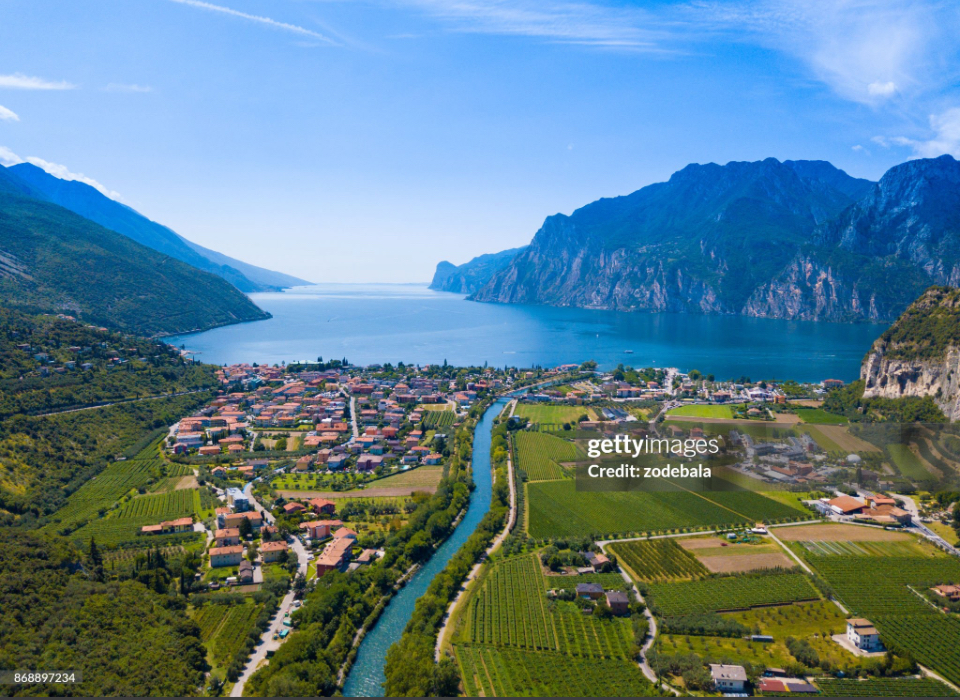
Trento is a prosperous, safe, and highly liveable city in northern Italy, consistently ranked among the best Italian cities for quality of life. Its rental market is dynamic but competitive, driven by a large student population, a growing international workforce, and limited housing supply in a geographically constrained alpine setting.

Long-term rentals in Trento range from approximately 550 EUR/month for a one-bedroom apartment outside the centre to over 1,500 EUR/month for larger, centrally located units (source: Numbeo, 2025). The most sought-after neighbourhoods — Centro Storico, Piedicastello, and Povo — fill quickly, especially at the start of the academic year.

Administrative requirements include obtaining a codice fiscale, signing a registered lease contract, and — for those settling long-term — completing residency registration at the Comune di Trento. Non-Italian speakers and international tenants face additional challenges related to language, documentation, and landlord preferences.

Working with a rental search specialist significantly improves your chances of finding the right apartment quickly, avoiding administrative errors, and securing fair lease terms in a market where speed and preparation are decisive.

In short: Trento is a high-quality-of-life city with a competitive rental market. One-bedroom apartments range from roughly 550 EUR/month (outside the centre) to 800 EUR/month or more in central neighbourhoods (Numbeo, 2025). Demand is high year-round due to the University of Trento's student population and a growing international workforce. Administrative requirements — including the codice fiscale, lease registration, and residency formalities — add complexity for newcomers. Working with a rental search specialist saves time, reduces risk, and significantly improves your chances of securing the right apartment on the right terms.

The Trento rental market presents several structural challenges for anyone searching for long-term accommodation:

  • High demand from students: The University of Trento attracts thousands of students each year, creating intense competition for rental units — particularly studios and one-bedroom apartments near the city centre and the Povo campus.
  • Limited supply: Trento is a compact alpine city with limited space for new residential construction. The housing stock is relatively constrained, which keeps vacancy rates low and gives landlords significant negotiating power.
  • Seasonal peaks: The rental market is most competitive in late summer (August–September), when new academic and professional cycles begin. Searching outside this window can improve your chances.
  • Preference for local tenants: Some landlords informally prefer Italian-speaking tenants or those with a local guarantor (garante), which can disadvantage international applicants.
  • Short-term rental competition: A portion of the housing stock is diverted to tourist and short-term platforms, further reducing the pool of long-term rentals available.
  • Speed of the market: Desirable apartments in central neighbourhoods are often taken within days of listing. Acting quickly and having a complete rental dossier ready is essential.

Renting a long-term apartment in Trento involves several administrative steps that can be challenging for newcomers and international tenants:

  • Codice Fiscale (Italian tax code): This is required to sign and register any rental contract in Italy. Non-EU nationals must obtain it from the Agenzia delle Entrate or an Italian consulate before arriving, or shortly after arrival.
  • Contract registration: Under Italian law, any lease exceeding 30 days must be registered with the Agenzia delle Entrate within 30 days of signing. While this is technically the landlord's responsibility, tenants should verify it has been done — an unregistered contract (affitto in nero) is legally invalid and can jeopardise a residence permit renewal.
  • Residency registration (Residenza anagrafica): Once settled, tenants wishing to register their official residence must visit the local Ufficio Anagrafe (registry office) at the Comune di Trento. This step is important for accessing local public services.
  • Non-EU nationals: Additional documentation is required, including a valid residence permit (permesso di soggiorno). Landlords may be reluctant to rent to tenants whose permit is short-term or pending renewal.
  • Language barrier: Lease contracts and administrative correspondence are in Italian. Having a bilingual advisor or translator is strongly recommended for non-Italian speakers.

Navigating the Trento rental market independently can be time-consuming and frustrating, particularly for international newcomers. A rental search specialist offers concrete advantages:

  • Local market knowledge: A specialist knows which neighbourhoods suit your profile, which landlords are reliable, and where the best value-for-money rentals are found — information that is rarely visible on public listing platforms.
  • Local network: Many landlords in Trento prefer to rent through trusted intermediaries rather than posting publicly, and specialists know these networks.
  • Time savings: Rather than spending weeks monitoring listings and arranging viewings, you delegate the search to someone who can act immediately on your behalf.
  • Dossier preparation: A specialist helps you assemble a compelling and complete rental application, increasing your chances of being selected over competing candidates.
  • Administrative support: From obtaining your codice fiscale to reviewing the lease contract and ensuring proper registration, a specialist guides you through every administrative step.
  • Language support: All communications with landlords and agencies are handled in Italian, removing a major barrier for non-Italian speakers.
  • Negotiation: A specialist can negotiate rental terms, deposit conditions, and move-in dates on your behalf.

A rental search specialist accompanying you in Trento will carry out a thorough set of checks before recommending any property or helping you submit a rental application:

  • Lease type and duration: Verifying whether the contract is a standard 4+4 (canone libero), a 3+2 (canone concordato), or a transitional contract (contratto transitorio), and ensuring the terms match your actual needs and length of stay.
  • Landlord legitimacy: Confirming the landlord's identity, ownership of the property, and absence of any legal disputes or mortgage-related restrictions on the rental.
  • Condition of the property: Inspecting the apartment in person or via a trusted local contact, checking for damp, heating systems, insulation quality (critical in Trento's alpine climate), and the state of appliances.
  • Condominium charges: Reviewing the spese condominiali breakdown to identify any hidden recurring costs.
  • Registration at Agenzia delle Entrate: Ensuring the contract will be properly registered within 30 days of signing, as required by Italian law — a key protection for the tenant.
  • Neighbourhood fit: Assessing proximity to your workplace, the University of Trento campus, public transport links, and daily amenities.
  • Deposit terms: Confirming the deposit amount, payment method, and conditions for its return at the end of the tenancy.

A structured rental search process in Trento typically unfolds in the following stages:

  1. Initial briefing: You define your requirements — budget, preferred neighbourhoods, apartment size, move-in date, and any specific needs (pet-friendly, parking, proximity to the university, etc.).
  2. Market analysis: The specialist maps available listings across public platforms (Immobiliare.it, Idealista, Spacest, etc.) and local agencies, filtering for properties that match your criteria.
  3. Property selection and viewings: A shortlist of suitable apartments is presented. Viewings are arranged and conducted — either in person or via video call if you are not yet in Trento.
  4. Dossier preparation: Your rental application file is assembled, including proof of identity, proof of income or employment contract, references, and your codice fiscale.
  5. Application and negotiation: The application is submitted to the landlord or agency. Rental terms, deposit amount, and move-in conditions are negotiated.
  6. Lease review: The contract is reviewed in detail to ensure all clauses are fair and legally compliant before you sign.
  7. Move-in and registration: The move-in inventory (verbale di consegna) is completed, and the contract is registered with the Agenzia delle Entrate within the legal deadline.
  8. Post-arrival support: Assistance with residency registration at the Comune di Trento and connection to local services as needed.

Rental search support in Trento is particularly valuable for the following profiles:

  • International professionals and expats: Relocating to Trento for work at local companies, research institutions, or the autonomous provincial administration, and unfamiliar with Italian rental procedures.
  • Researchers and academics: Joining the University of Trento or affiliated research centres (such as Fondazione Bruno Kessler or Fondazione Edmund Mach) on fixed-term contracts, often needing to find housing quickly from abroad.
  • International professionals on long stays: Choosing Trento for its quality of life, alpine environment, and connectivity, and seeking a comfortable long-term base without local contacts.
  • Families relocating to Trento: Needing larger apartments in family-friendly neighbourhoods with good schools and green spaces, where the search is more complex and the stakes are higher.
  • Students (non-EU or international): Enrolling at the University of Trento and facing both administrative hurdles and a highly competitive student housing market.
  • Short-notice relocations: Professionals or individuals who need to find and secure accommodation within a very tight timeframe and cannot afford to spend weeks searching independently.

Trento is a compact city with distinct neighbourhoods, each offering a different rental experience. Here is an overview of the main areas to consider:

  • Centro Storico (Historic Centre): The most sought-after area, with beautiful historic architecture, excellent walkability, and proximity to shops, restaurants, and cultural venues. Rents are among the highest in the city. Ideal for professionals and those who prioritise urban convenience.
  • Piedicastello: Located just west of the historic centre across the Adige River, Piedicastello offers a quieter residential atmosphere with good access to the centre on foot or by bike. Rents are slightly lower than in the historic core.
  • Povo: A hillside neighbourhood east of the city, home to the University of Trento's science and technology faculties. Popular with students and researchers. Rents are moderate, and the area offers green surroundings, though it requires a bus or bike commute to the city centre.
  • Gardolo: A northern suburb with more affordable rents and good bus connections to the centre. Suitable for those prioritising budget over central location.
  • Villazzano: A quiet residential area to the south-east, considered one of the safer and more pleasant suburban neighbourhoods. Rents are moderate and the area is well-served by public transport.
  • Mattarello: A southern suburb near the airport, offering lower rents and a more suburban feel. Best suited for those with a car or who work in the southern industrial areas.
  • Argentario / San Giuseppe – Santa Chiara: Residential districts close to the city centre, popular with families and young professionals seeking a balance between central access and a calmer environment.

Rental budgets in Trento vary significantly depending on the neighbourhood, apartment size, and whether the unit is furnished. Based on data from Numbeo (updated 2025), a one-bedroom apartment in the city centre typically costs around 700–800 EUR/month, while a comparable unit outside the centre ranges from 550–650 EUR/month. Larger two- or three-bedroom apartments in central areas can reach 1,100–1,500 EUR/month or more.

  • Security deposit: Landlords in Italy are legally entitled to request up to 3 months' rent as a deposit (cauzione), which must be returned at the end of the tenancy if no damages are found.
  • Utilities (spese condominiali): Condominium charges and utility costs are often not included in the advertised rent. Always clarify whether electricity, gas, water, and internet are included before signing.
  • Agency fees: If you use a local real estate agency, expect to pay a fee equivalent to one month's rent (plus VAT) upon signing.
  • Furnished vs. unfurnished: Furnished apartments command a premium of roughly 10–20% over unfurnished equivalents.
  • Market tension: Trento's rental market is under pressure due to the University of Trento's large student population, which reduces availability and keeps rents elevated relative to comparable Italian cities.

When searching for a long-term rental in Trento, avoid these common mistakes:

  • Signing without verifying contract registration: Never assume the landlord will register the lease. An unregistered contract offers you no legal protection and can invalidate your residency status.
  • Ignoring utility costs: Focusing only on the headline rent figure without accounting for spese condominiali, heating, and utilities can lead to a significant budget shortfall each month.
  • Searching too late: Starting your search less than two months before your intended move-in date — especially in August or September — dramatically reduces your options in a tight market.
  • Skipping the in-person visit: Accepting an apartment based solely on photos or virtual tours without an in-person inspection (or a trusted local representative) risks unpleasant surprises regarding condition, noise levels, or neighbourhood fit.
  • Incomplete rental dossier: Submitting an application without all required documents (proof of income, ID, codice fiscale, references) will cause delays and may result in losing the apartment to a better-prepared candidate.
  • Overlooking the deposit clause: Not reading the deposit return conditions carefully can lead to disputes at the end of the tenancy. Ensure the inventory (verbale di consegna) is signed at move-in.
  • Choosing neighbourhood based on price alone: Some cheaper peripheral areas have limited public transport links. Always check commute times to your workplace or university campus.

Practical tips for a successful long-term rental search in Trento:

  • Start early: Begin your search at least 2–3 months before your intended move-in date, especially if you are targeting the September–October peak period.
  • Get your codice fiscale first: Apply for your Italian tax code before you start viewing apartments — you will need it to sign any lease contract.
  • Prepare a complete dossier: Have ready your passport or ID, proof of income or employment contract, last payslips or bank statements, and any references from previous landlords.
  • Understand the contract type: Ask whether the lease is a 4+4 canone libero, a 3+2 canone concordato, or a transitional contract, and make sure the duration matches your plans.
  • Check what is included in the rent: Always clarify whether spese condominiali, heating, and utilities are included or billed separately.
  • Visit in person when possible: Trento's alpine climate means heating quality and insulation matter greatly. Check these during any viewing.
  • Act fast on good listings: In competitive neighbourhoods like Centro Storico or Povo, do not wait more than 24–48 hours to express interest in a property you like.
  • Use multiple platforms: Search across Immobiliare.it, Idealista, Spacest, and local agency websites simultaneously to maximise your coverage.
  • Verify contract registration: After signing, confirm that the landlord has registered the lease with the Agenzia delle Entrate within 30 days — this is your legal protection as a tenant.

Remoters connects you with vetted rental search specialists who know the Trento market in depth. Whether you are relocating from abroad, moving for work or study, or simply short on time, Remoters can match you with a local expert who will handle your entire rental search — from the first briefing to the signing of your lease.

The service covers all key steps: defining your search criteria, identifying suitable apartments, organising viewings, preparing your rental dossier, negotiating with landlords, reviewing the lease contract, and supporting you through the administrative formalities required in Italy.

With Remoters, you avoid the most common pitfalls of the Trento rental market and benefit from a structured, transparent process tailored to your profile and timeline.

They give you speed: in Trento, attractive flats in the centre are often let within days. A Home Finder based in Trento follows Immobiliare.it, Idealista, Spacest and local agencies, views homes in person or by video, and prepares your application with ID, proof of income and your codice fiscale.

They submit your application to the landlord and review the lease before you sign.

It begins with a free, no-commitment first conversation with a Home Finder in Trento who speaks English. You give your budget, neighbourhoods, distance to the university and move-in date; a quote then sets out the price, what is included and what happens if the search does not succeed.

The Home Finder shortlists, views homes with photos or video and supports your application through to signing. Payment is made online, with the funds held until the search is complete.

They first identify the type of contract: 4+4 at free rent, 3+2 at regulated rent or a transitional contract, so that the term fits your stay. They confirm the landlord's identity, ownership and the absence of any dispute, then the breakdown of the spese condominiali.

Finally they check damp, heating and insulation, essential in the Alpine climate, and that the contract will be registered within 30 days of signing.

First get your codice fiscale, essential to sign and register a lease. Any lease of more than 30 days must be registered with the Agenzia delle Entrate within 30 days; an unregistered contract is legally invalid.

Next, residence registration goes through the Ufficio Anagrafe, and non-Europeans need a valid permesso di soggiorno. Contracts and letters are in Italian: allow for a translator.

What are you looking for in Trento?

One of our home finders will look for the ideal property for you

How does it work?

1

First contact:Your home finder offers a free call to understand your needs.

2
Quote: If you’re ready to move forward, you’ll receive a personalized quote via Remoters.
3
Mission start: Once approved and paid, the housing search begins.
4
Support: Your home finder assists you through to the lease signing and your arrival.
5
Feedback: Share your review — your satisfaction is our priority !
A couple lying on a bed, embracing.

We are present around the world!

Remoters continues to grow!
We are recruiting new home finders everywhere, do not hesitate to apply
World map with red markers in the Americas, Europe, Africa and Asia.I am applying

Frequently asked questions

A hand pointing at a laptop screen while the other types.
How does a Home Finder help you land a rental in Trento when students compete for the same homes?

They give you speed: in Trento, attractive flats in the centre are often let within days. A Home Finder based in Trento follows Immobiliare.it, Idealista, Spacest and local agencies, views homes in person or by video, and prepares your application with ID, proof of income and your codice fiscale.

They submit your application to the landlord and review the lease before you sign.

A hand pointing at a laptop screen while the other types.
How does a home search in Trento work when you are arriving from abroad?

It begins with a free, no-commitment first conversation with a Home Finder in Trento who speaks English. You give your budget, neighbourhoods, distance to the university and move-in date; a quote then sets out the price, what is included and what happens if the search does not succeed.

The Home Finder shortlists, views homes with photos or video and supports your application through to signing. Payment is made online, with the funds held until the search is complete.

A hand pointing at a laptop screen while the other types.
Which lease-related traps does a Home Finder check for before you rent in Trento?

They first identify the type of contract: 4+4 at free rent, 3+2 at regulated rent or a transitional contract, so that the term fits your stay. They confirm the landlord's identity, ownership and the absence of any dispute, then the breakdown of the spese condominiali.

Finally they check damp, heating and insulation, essential in the Alpine climate, and that the contract will be registered within 30 days of signing.

A hand pointing at a laptop screen while the other types.
Which Italian formalities should a foreigner plan for when renting in Trento?

First get your codice fiscale, essential to sign and register a lease. Any lease of more than 30 days must be registered with the Agenzia delle Entrate within 30 days; an unregistered contract is legally invalid.

Next, residence registration goes through the Ufficio Anagrafe, and non-Europeans need a valid permesso di soggiorno. Contracts and letters are in Italian: allow for a translator.