
Our home finder in Rotterdam will help you find your ideal home

Save time and skip the stress

A hand holding a small white house with a red roof and a blue door.
Rent at real local prices

Green shield icon with a white tick: security.
Secure your new home safely from abroad

Why choose a home finder ?

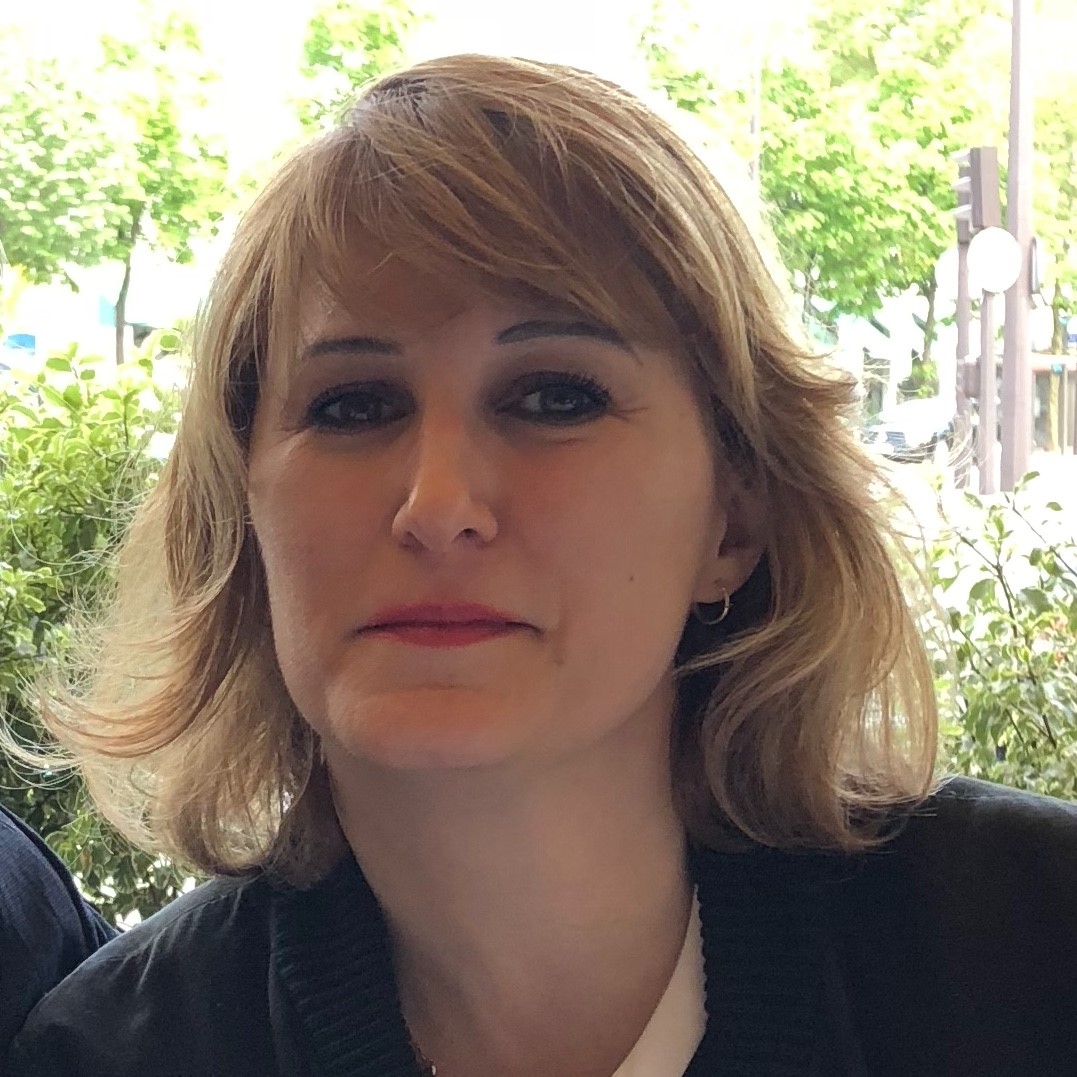
Home finder Gaelle (Rotterdam)

Gaelle or another of our home finders will handle your search.

Reliability of listings
Information symbol.
Your home finder is there to select the goods, he visits them, alone, with you in person, or with you by video. And above all, he knows how to rely on reliable business partners who only present him with quality goods.
Icône de fermeture (croix)
Market access
Information symbol.
Your home finder can offer you his own goods, he also has access to all the offers published on the market, and he knows the local agencies and landlords
Icône de fermeture (croix)
Scam risk
Information symbol.
At Remoters, we no longer count the number of French people who have signed a rental contract abroad, without understanding it. Some unscrupulous sellers take advantage of this to insert conditions that are disadvantageous for the tenant. This cannot happen when the contract is reviewed by our home finder.
Icône de fermeture (croix)
Access to local prices
Information symbol.
When you search alone, about 85% of the time goes into searching and 15% into viewings. With a home finder, you only do the viewings
Icône de fermeture (croix)
Application accepted
Information symbol.
In areas where homeowners have plenty of candidates to choose from, they rarely choose foreigners first. Your home finder will use his influence (and his mastery of the language) to put your case before others.
Icône de fermeture (croix)
Information symbol.
Satisfaction
Only 20% of satisfied buyers according to the 2018 Crédit Foncier study. For its part, Remoters gets a score of 4/5 or 5/5 in 95% of cases
Icône de fermeture (croix)

Browsing online listings

Weak
Weak
Elevated
Red cross icon.
Uncertain
20%

Finding with Remoters

Total
Total
Weak
Very likely
95%
Rotterdam

Rotterdam is the Netherlands' second-largest city and one of Europe's most dynamic urban centres, home to the world's largest port outside Asia and a thriving international community. The city's rental market is competitive and fast-moving, with average rents of approximately EUR 22.35/m²/month (Q1 2025, source: Pararius/RentSlam) — around 20–25% below Amsterdam levels, making it an attractive destination for professionals, families, and expats seeking quality urban living at a relatively accessible cost.

Finding a long-term rental in Rotterdam requires speed, a well-prepared dossier, and a solid understanding of Dutch tenancy law — including the 2024 Affordable Rent Act, which introduced new rent regulation rules for the mid-market segment. Popular neighbourhoods such as Kralingen, Centrum, and Kop van Zuid see high demand and rapid listing turnover, while more affordable options exist in Delfshaven and Rotterdam Zuid.

Professional rental search support helps you navigate the market efficiently, avoid common pitfalls, and secure a lease that is legally sound and suited to your needs.

In short: Rotterdam is a competitive but rewarding city to rent in. Average rents stand at around EUR 22.35/m²/month (Q1 2025, source: Pararius/RentSlam), with one-bedroom apartments typically ranging from 1,100 EUR/month to 1,350 EUR/month and two-bedroom apartments from 1,400 EUR/month to 1,900 EUR/month (source: Investropa, early 2026). The market is fast-moving — listings go quickly, dossiers must be complete and ready, and Dutch tenancy law has become more complex following the 2024 Affordable Rent Act. Popular neighbourhoods include Kralingen, Centrum, Kop van Zuid, and Delfshaven, each with distinct price points and lifestyles. Professional rental search support significantly improves your chances of finding the right home efficiently and legally.

Rotterdam's rental market is highly competitive and supply remains structurally constrained. Several factors make finding a suitable long-term rental particularly difficult:

  • Low vacancy rates: Demand from young professionals, international students, and expats consistently outpaces available supply, especially in popular neighbourhoods such as Kralingen, Centrum, and Kop van Zuid.
  • Rapid listing turnover: Desirable apartments are often let within 24 to 48 hours of being listed on platforms such as Funda and Pararius. Applicants who are not monitoring listings in real time frequently miss opportunities.
  • Rising rents: Rotterdam rents rose by approximately 5.9% in 2024 — the highest annual increase in over 30 years — and continued to climb in 2025, with Pararius reporting a year-on-year increase of +7.6% for Q3 2025 (source: Investropa/Pararius, 2025).
  • Strong competition per listing: A single rental listing in central Rotterdam can attract dozens of applications within hours. Landlords and agents select tenants based on the completeness of the dossier, income level, and speed of response.
  • Impact of rent regulation: The Affordable Rent Act has led some private landlords to withdraw properties from the long-term rental market, further reducing available supply in the mid-market segment (source: RentHunter, 2025).
  • Furnished stock is limited: Fully furnished apartments suitable for expats represent a small share of total listings and command a significant premium.

Navigating the administrative side of renting in Rotterdam can be challenging, particularly for newcomers and international residents. Key hurdles include:

  • BSN requirement: To open a Dutch bank account, access healthcare, or sign a formal lease, you need a Citizen Service Number (BSN). First-time registrations must be done in person at Rotterdam City Hall or the Rotterdam International Center, and require a confirmed address — creating a circular dependency for new arrivals.
  • Municipal registration: Anyone staying in the Netherlands for more than four months must register with the municipality within five days of arrival (source: rotterdam.info). Some landlords informally resist registration, though tenants have a legal right and obligation to register regardless of landlord consent.
  • Rental dossier (huurdersdossier): Landlords and agents typically require a complete file including: valid ID or passport, recent payslips (last 3 months), employer's statement (werkgeversverklaring), previous landlord's reference (verhuurdersverklaring), and proof of income meeting the 3–4× rent ratio. Self-employed applicants must also provide recent tax returns and business accounts.
  • Rent regulation complexity: The 2024 Affordable Rent Act introduced new rules that affect which properties fall under regulated, mid-market, or free-market rent. Understanding which category applies to a given property requires knowledge of the WWS points system.
  • Language barrier: Lease contracts, correspondence with landlords, and municipal forms are often in Dutch. Professional support or translation is strongly advisable.

Rotterdam's rental market is fast-moving, administratively complex, and increasingly competitive. A rental search specialist provides concrete advantages that significantly improve your chances of securing the right home:

  • Market access: Specialists often have direct relationships with landlords and letting agents, giving you access to properties before they are publicly listed on Funda or Pararius.
  • Time savings: Rather than monitoring dozens of platforms around the clock, you benefit from a curated shortlist of properties that match your criteria, budget, and preferred neighbourhoods.
  • Dossier preparation: A specialist helps you assemble a complete, compelling rental file — including income documentation, employer's statement, and landlord references — maximising your credibility with landlords.
  • Legal protection: Lease contracts are reviewed for compliance with Dutch tenancy law, including the 2024–2025 rent regulation rules. You avoid signing contracts with unlawful clauses or above-ceiling rents.
  • Negotiation support: From rent level to deposit conditions and move-in dates, a specialist negotiates on your behalf with knowledge of local market norms.
  • Administrative guidance: From BSN registration to understanding your rights under the Huurcommissie, a specialist guides you through every administrative step of settling in Rotterdam.

A rental search specialist working in Rotterdam will carry out a thorough verification process on your behalf before you sign any lease. Key checks include:

  • Legal rent ceiling: Using the WWS (Woningwaarderingsstelsel) points system, the specialist verifies whether the asking rent is lawful under the 2024–2025 Affordable Rent Act. If the rent exceeds the legal maximum for the property's quality score, this can be challenged with the Huurcommissie (Dutch Rent Tribunal).
  • Lease contract review: All clauses are checked for compliance with Dutch tenancy law — including notice periods, deposit conditions, rent indexation rules, and any prohibited charges.
  • Property condition: A pre-move-in inspection report (opleveringsrapport) is verified or requested to document the state of the property and protect your deposit.
  • Landlord legitimacy: The specialist confirms that the landlord or letting agent is authorised to rent the property and that no subletting or permit violations are present.
  • Service charges transparency: All additional costs (utilities, maintenance, parking) are itemised and cross-checked against what is legally chargeable.
  • Municipal registration eligibility: The property address must allow you to register with the municipality (gemeente Rotterdam) to obtain your BSN (Burger Service Nummer), which is essential for banking, healthcare, and employment in the Netherlands.

A structured rental search process in Rotterdam typically unfolds in the following stages:

  1. Needs assessment: Define your requirements — budget, preferred neighbourhoods, property type (studio, apartment, family home), furnished or unfurnished, and desired move-in date.
  2. Dossier preparation: Compile your rental file: valid ID, recent payslips, employer's statement (werkgeversverklaring), previous landlord's reference (verhuurdersverklaring), and proof of income. Self-employed applicants should also prepare recent tax returns.
  3. Property search: Listings are sourced across major platforms (Funda, Pararius, Kamernet) as well as through direct landlord networks. Alerts are set up to capture new listings in real time.
  4. Viewings: Selected properties are visited in person. Key points checked include the condition of the property, neighbourhood amenities, transport links, and any visible maintenance issues.
  5. Application submission: A complete, well-presented dossier is submitted promptly — speed and completeness are critical in Rotterdam's competitive market.
  6. Lease negotiation and review: Once a landlord selects your application, the lease contract is reviewed for legal compliance, including rent level, deposit terms, and service charge breakdown.
  7. Move-in and registration: After signing, a move-in inspection report is completed. You then register your new address with the municipality of Rotterdam to obtain or update your BSN.

Rental search support in Rotterdam is particularly valuable for the following profiles:

  • International professionals and expats: Relocating to Rotterdam for work — whether at the Port of Rotterdam, a multinational, or a start-up — often means navigating an unfamiliar rental market under time pressure, with limited local knowledge and a Dutch-language barrier.
  • Expatriates: Those seeking a long-term base in Rotterdam benefit from guidance on neighbourhoods with good connectivity, co-working proximity, and flexible lease terms.
  • Families relocating from abroad: Finding a family-sized rental near international schools, green spaces, and good transport links requires specific local expertise that a specialist can provide efficiently.
  • Students and young graduates: International students at Erasmus University Rotterdam or other institutions face fierce competition for affordable housing and often lack the rental history required by landlords.
  • Professionals on short notice: Anyone who needs to find a rental quickly — due to a job start date, end of temporary accommodation, or relocation deadline — benefits from the speed and network access a specialist provides.
  • Self-employed and freelancers: Non-standard income profiles require a carefully prepared dossier to reassure landlords, and specialist support can make the difference between acceptance and rejection.

Rotterdam is a city of distinct neighbourhoods, each with its own character, price range, and lifestyle. Here is a comparative overview to help guide your rental search:

  • Centrum (City Centre): The most central option, with excellent transport links, restaurants, and cultural venues. Rents are among the highest in the city — expect to pay close to EUR 20/m²/month or above for well-located apartments (source: Investropa, 2024). Suited to professionals who prioritise walkability and urban convenience.
  • Kralingen: A leafy, prestigious neighbourhood east of the centre, home to Erasmus University and the Kralingse Plas lake. Popular with students, academics, and young professionals. Rents are high but the quality of life is excellent.
  • Kop van Zuid / Katendrecht: A transformed waterfront district with modern architecture, restaurants, and a creative atmosphere. Rents have risen significantly due to regeneration but remain competitive compared to Amsterdam equivalents. Two-bedroom apartments typically range from 1,200 EUR/month to 1,600 EUR/month (source: RentHunter, 2025).
  • Delfshaven: A historic, multicultural neighbourhood west of the centre. More affordable than Kralingen or Centrum, with a lively local character. Good value for studios and one-bedroom apartments.
  • Hillegersberg-Schiebroek: A quieter, residential area in the north, popular with families. Higher rents reflect the quality of housing stock and proximity to good schools and green spaces.
  • Rotterdam Zuid (Feijenoord, Charlois): The most affordable areas in the city, with rents noticeably lower than the north bank. These neighbourhoods are undergoing regeneration and offer good value for budget-conscious renters willing to trade central location for space.

Rotterdam's rental market has tightened considerably in recent years. According to Pararius Q4 2025 data, the average rent per square meter in Rotterdam stands at approximately EUR 22.35/m²/month (Q1 2025, source: RentSlam/Pararius), placing it 14% above the Dutch national average. For a standard one-bedroom apartment, expect to budget between 1,100 EUR/month and 1,350 EUR/month; two-bedroom apartments typically range from 1,400 EUR/month to 1,900 EUR/month depending on the neighbourhood and finish (source: Investropa, early 2026).

  • Security deposit: Landlords in the Netherlands may request a deposit of up to two months' rent. Since 2024, new rules cap deposits and clarify refund timelines — always get the deposit terms in writing.
  • Service charges (servicekosten): Heating, water, and building maintenance costs are often billed separately on top of the base rent. Clarify what is included before signing.
  • Furnished premium: Furnished apartments command a premium of roughly 150 EUR/month to 300 EUR/month over comparable unfurnished units (source: Investropa, 2025).
  • Income threshold: Most landlords and agents require a gross monthly income of 3 to 4 times the monthly rent. Freelancers and self-employed applicants may need to provide additional financial documentation.
  • Rent regulation: Since 1 July 2024, the Affordable Rent Act (Wet betaalbare huur) extended the WWS points system to the mid-market segment. Verify whether a property falls under regulated, mid-market, or free-market rules before committing to a rent level.

When searching for a long-term rental in Rotterdam, certain mistakes can cost you time, money, or your tenancy. The most common errors to avoid:

  • Submitting an incomplete dossier: Missing a payslip, employer's statement, or landlord reference is one of the most frequent reasons applications are rejected. Prepare your full rental file before you start viewing properties.
  • Accepting an illegal rent: Some landlords list properties above the legal maximum under the WWS points system. Always check the property's rent ceiling using the official Huurprijscheck tool before signing.
  • Ignoring service charges: Focusing only on the headline rent figure without accounting for service charges (servicekosten) and utilities can lead to a significant budget shortfall each month.
  • Not reading the lease carefully: Dutch lease contracts can contain clauses on rent indexation, subletting restrictions, and early termination penalties. Never sign without a full review.
  • Failing to register with the municipality: Skipping or delaying your registration at Rotterdam City Hall means you cannot obtain a BSN, which blocks access to banking, healthcare, and employment.
  • Falling for rental scams: Fraudulent listings — often offering attractive rents for non-existent properties — are present on online platforms. Never transfer money or a deposit before physically visiting the property and verifying the landlord's identity.
  • Underestimating the timeline: Finding a suitable rental in Rotterdam typically takes several weeks to a few months. Starting your search at least 2–3 months before your intended move-in date is strongly recommended.

Practical tips to improve your chances of finding a long-term rental in Rotterdam:

  • Set up real-time alerts: Register on Funda, Pararius, and Kamernet and activate instant notifications. In Rotterdam's market, the first applicants to respond have a significant advantage.
  • Prepare your dossier in advance: Have your ID, payslips, employer's statement, and landlord reference ready before you start viewing. Landlords expect a complete file immediately after a viewing.
  • Know your income ratio: Most Rotterdam landlords require a gross monthly income of 3 to 4 times the monthly rent. Calculate this before applying and include the calculation clearly in your cover note.
  • Check the legal rent ceiling: Use the official Dutch Huurprijscheck tool to verify whether the asking rent is lawful under the WWS points system. This is especially important for mid-market properties since the 2024 Affordable Rent Act.
  • Visit in person: Always view a property before paying any deposit. Rental scams exist on online platforms — never transfer money without verifying the landlord's identity and physically inspecting the property.
  • Register with the municipality promptly: Once you have a confirmed address, register at Rotterdam City Hall or the Rotterdam International Center as soon as possible to obtain your BSN. This is essential for banking, healthcare, and employment.
  • Consider less central neighbourhoods: Areas such as Delfshaven, Schiebroek, or Rotterdam Zuid offer significantly lower rents than Kralingen or Centrum, with good public transport connections to the city centre.
  • Start your search early: Allow at least 2–3 months before your intended move-in date, particularly if you have specific requirements around size, neighbourhood, or furnished accommodation.

Remoters connects you with vetted rental search specialists who know Rotterdam's housing market in depth. Whether you are relocating from abroad, searching under time pressure, or simply want expert support to navigate Dutch tenancy law and the competitive local rental landscape, Remoters helps you find the right professional for your situation.

Through the Remoters platform, you can access specialists who assist with every stage of your long-term rental search in Rotterdam: from defining your criteria and preparing your rental dossier, to identifying suitable properties, accompanying you to viewings, reviewing your lease contract, and guiding you through municipal registration and settlement formalities.

The Home Finder monitors Funda, Pararius and Kamernet in real time, contacts landlords and letting agents directly, then views the shortlisted flats on your behalf. Depending on the quote, they help you build your rental file (huurdersdossier), support your application and review the lease: the WWS points-system rent cap, the deposit and the service charges. They also confirm that the address allows you to register with the municipality, which you need to obtain your BSN.

Very quickly: attractive flats are often let within 24 to 48 hours of going online on Funda or Pararius, and a single listing in the centre can receive dozens of applications within a few hours. A search generally takes several weeks to a few months, so start at least 2 to 3 months before your preferred move-in date. The Home Finder picks up new listings as soon as they appear and submits your file straight away.

It starts with a free, no-obligation first conversation with a Home Finder based in Rotterdam who speaks English. You then receive a quote setting out what is included. The Home Finder searches, views properties with photos or video, submits your application and supports you through to signing the lease. You pay online on the platform: the funds are held during the search and released to the Home Finder once it is complete.

The first pitfall is an illegal rent: some landlords charge above the cap set by the WWS points system, which you can check with the Huurprijscheck tool. The Home Finder also checks that the landlord is entitled to let the property (no irregular subletting), which charges can legally be billed, the indexation and termination clauses, and the check-in report that protects your deposit. Against scams, one rule: no transfer before the flat has been viewed and the landlord's identity checked.

Landlords expect a complete huurdersdossier: a valid ID card or passport, payslips for the last 3 months, an employer's statement (werkgeversverklaring), a reference from your previous landlord (verhuurdersverklaring) and proof of income of 3 to 4 times the rent. Self-employed applicants add their latest tax returns and business accounts. After signing, register at Rotterdam City Hall or the Rotterdam International Center to obtain your BSN, which you need for banking, healthcare and work.

What are you looking for in Rotterdam?

One of our home finders will look for the ideal property for you

How does it work?

1

First contact:Your home finder offers a free call to understand your needs.

2
Quote: If you’re ready to move forward, you’ll receive a personalized quote via Remoters.
3
Mission start: Once approved and paid, the housing search begins.
4
Support: Your home finder assists you through to the lease signing and your arrival.
5
Feedback: Share your review — your satisfaction is our priority !
A couple lying on a bed, embracing.

We are present around the world!

Remoters continues to grow!
We are recruiting new home finders everywhere, do not hesitate to apply
World map with red markers in the Americas, Europe, Africa and Asia.I am applying

Frequently asked questions

A hand pointing at a laptop screen while the other types.
What does a Home Finder actually do for your rental in Rotterdam?

The Home Finder monitors Funda, Pararius and Kamernet in real time, contacts landlords and letting agents directly, then views the shortlisted flats on your behalf. Depending on the quote, they help you build your rental file (huurdersdossier), support your application and review the lease: the WWS points-system rent cap, the deposit and the service charges. They also confirm that the address allows you to register with the municipality, which you need to obtain your BSN.

A hand pointing at a laptop screen while the other types.
How quickly do you need to decide when renting a flat in Rotterdam?

Very quickly: attractive flats are often let within 24 to 48 hours of going online on Funda or Pararius, and a single listing in the centre can receive dozens of applications within a few hours. A search generally takes several weeks to a few months, so start at least 2 to 3 months before your preferred move-in date. The Home Finder picks up new listings as soon as they appear and submits your file straight away.

A hand pointing at a laptop screen while the other types.
How does a rental search in Rotterdam work while you still live abroad?

It starts with a free, no-obligation first conversation with a Home Finder based in Rotterdam who speaks English. You then receive a quote setting out what is included. The Home Finder searches, views properties with photos or video, submits your application and supports you through to signing the lease. You pay online on the platform: the funds are held during the search and released to the Home Finder once it is complete.

A hand pointing at a laptop screen while the other types.
Which pitfalls does the Home Finder check before you sign a lease in Rotterdam?

The first pitfall is an illegal rent: some landlords charge above the cap set by the WWS points system, which you can check with the Huurprijscheck tool. The Home Finder also checks that the landlord is entitled to let the property (no irregular subletting), which charges can legally be billed, the indexation and termination clauses, and the check-in report that protects your deposit. Against scams, one rule: no transfer before the flat has been viewed and the landlord's identity checked.

A hand pointing at a laptop screen while the other types.
Which documents should you prepare to apply for a rental in Rotterdam?

Landlords expect a complete huurdersdossier: a valid ID card or passport, payslips for the last 3 months, an employer's statement (werkgeversverklaring), a reference from your previous landlord (verhuurdersverklaring) and proof of income of 3 to 4 times the rent. Self-employed applicants add their latest tax returns and business accounts. After signing, register at Rotterdam City Hall or the Rotterdam International Center to obtain your BSN, which you need for banking, healthcare and work.