
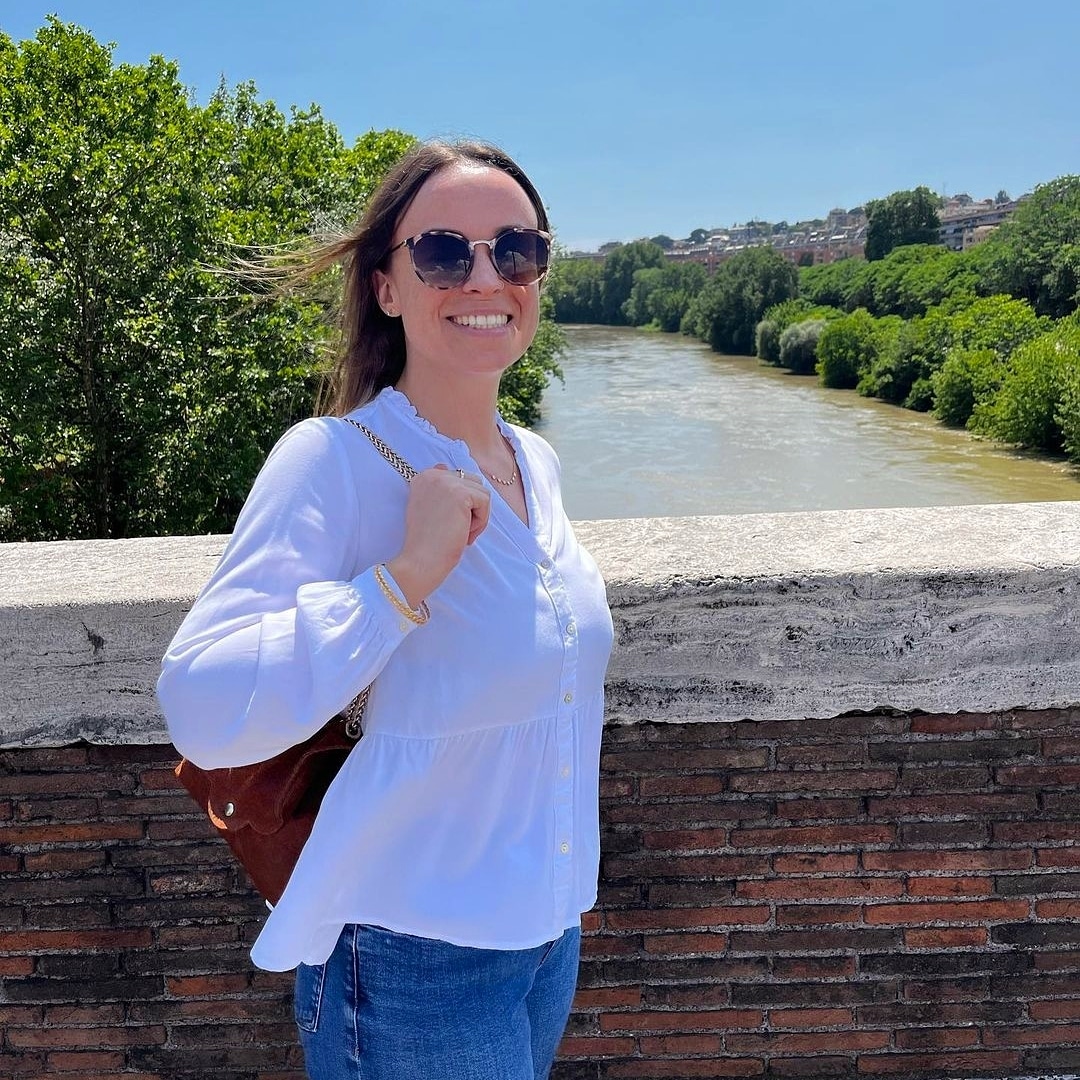
Our home finder in Moscow will help you find your ideal home

Save time and skip the stress

A hand holding a small white house with a red roof and a blue door.
Rent at real local prices

Green shield icon with a white tick: security.
Secure your new home safely from abroad

Why choose a home finder ?

Home finder Anne (Moscow)

Anne or another of our home finders will handle your search.

Reliability of listings
Information symbol.
Your home finder is there to select the goods, he visits them, alone, with you in person, or with you by video. And above all, he knows how to rely on reliable business partners who only present him with quality goods.
Icône de fermeture (croix)
Market access
Information symbol.
Your home finder can offer you his own goods, he also has access to all the offers published on the market, and he knows the local agencies and landlords
Icône de fermeture (croix)
Scam risk
Information symbol.
At Remoters, we no longer count the number of French people who have signed a rental contract abroad, without understanding it. Some unscrupulous sellers take advantage of this to insert conditions that are disadvantageous for the tenant. This cannot happen when the contract is reviewed by our home finder.
Icône de fermeture (croix)
Access to local prices
Information symbol.
When you search alone, about 85% of the time goes into searching and 15% into viewings. With a home finder, you only do the viewings
Icône de fermeture (croix)
Application accepted
Information symbol.
In areas where homeowners have plenty of candidates to choose from, they rarely choose foreigners first. Your home finder will use his influence (and his mastery of the language) to put your case before others.
Icône de fermeture (croix)
Information symbol.
Satisfaction
Only 20% of satisfied buyers according to the 2018 Crédit Foncier study. For its part, Remoters gets a score of 4/5 or 5/5 in 95% of cases
Icône de fermeture (croix)

Browsing online listings

Weak
Weak
Elevated
Red cross icon.
Uncertain
20%

Finding with Remoters

Total
Total
Weak
Very likely
95%
Moscow

Moscow is Russia's capital and largest city, with a dynamic and competitive long-term rental market. The city offers a wide range of accommodation options — from premium furnished apartments in central districts like Arbat and Patriarshiye Prudy to more affordable options in outer neighbourhoods well served by the metro network.

For expatriates and international tenants, renting in Moscow requires navigating a predominantly Russian-language market, verifying landlord legitimacy, understanding lease registration obligations, and complying with migration registration requirements. Rental prices rose significantly in 2024 — by 31.4% nationally according to The Moscow Times (January 2025) — making it essential to approach the search with a clear budget and professional support.

A rental search specialist provides the local expertise, language skills, and administrative knowledge needed to find the right apartment efficiently and securely, avoiding the most common pitfalls of the Moscow rental market.

In short: Renting an apartment in Moscow long-term is rewarding but complex. The market is competitive, prices rose sharply in 2024, and the process involves Russian-language contracts, landlord verification, and mandatory migration registration for foreign nationals. Working with a rental search specialist saves time, reduces risk, and ensures full legal compliance — from finding the right neighbourhood to signing a secure lease.

The Moscow long-term rental market presents several structural challenges for newcomers and expatriates searching for accommodation.

  • Agency-dominated listings: As noted by Expatriant, the Moscow rental market is virtually dominated by agencies, meaning that most listings on platforms such as CIAN are posted by intermediaries rather than directly by landlords, making it harder to negotiate terms or avoid fees.
  • Fast-moving inventory: Desirable apartments in central districts are rented quickly, often within days of listing. Delays in decision-making can result in losing a preferred property.
  • Limited quality supply: The supply of high-quality, expat-standard rental properties is limited, particularly for furnished apartments with modern amenities in central locations.
  • Significant price increases: Rental prices in Moscow surged by up to 50% in some segments in 2024, especially for small one-bedroom apartments near metro stations, according to Van Rhijn & Partners (2025), making budget planning more difficult.
  • Informal market: A significant share of rental agreements in Russia are concluded informally, without a written lease, which exposes tenants to legal and financial risks.
  • Landlord reluctance towards foreigners: Some landlords are hesitant to rent to foreign nationals due to the administrative obligations involved, including temporary registration.

Renting an apartment in Moscow as a foreigner involves a number of administrative hurdles that can be challenging without local knowledge or language skills.

  • Language barrier: Lease agreements, utility contracts, and communications with landlords are almost exclusively in Russian. A translator or bilingual specialist is strongly recommended to avoid misunderstandings.
  • Temporary registration (propiska): Foreign nationals are legally required to register their place of residence with the migration authorities within seven working days of arrival. The landlord must agree to register the tenant — some landlords refuse, which can create legal complications.
  • Visa and migration card: A valid visa or residence permit and a migration card are required to enter into a long-term lease agreement. Foreigners must ensure their documents are in order before signing.
  • Lease registration: Contracts of 12 months or longer must be registered with the state cadastre (ЕГРН), according to Van Rhijn & Partners (2025). This step is often overlooked but is legally mandatory.
  • Banking and payments: International bank transfers to Russian landlords may be restricted or subject to additional compliance checks; cash payments in rubles remain common but carry their own risks.

Navigating the Moscow rental market independently is challenging, particularly for expatriates and international professionals unfamiliar with local practices, the Russian language, and administrative requirements. A rental search specialist provides structured, end-to-end support that significantly reduces the risk of costly mistakes.

  • Language and legal expertise: Lease agreements and landlord communications are in Russian; a specialist ensures you understand every clause before signing.
  • Access to vetted listings: Rather than sifting through agency-dominated platforms like CIAN or Avito, a specialist pre-selects properties that match your criteria and have been verified for legitimacy.
  • Landlord verification: Confirming ownership rights and the landlord's authority to rent is a complex step that specialists handle as standard practice.
  • Migration compliance: A specialist ensures the lease supports your temporary registration requirements, avoiding legal complications with Russian migration authorities.
  • Negotiation support: In a market where rents rose sharply in 2024, having a professional negotiate on your behalf can help secure better terms or avoid inflated asking prices.
  • Time efficiency: For professionals relocating on a tight schedule, a specialist dramatically reduces the time spent searching, visiting, and vetting properties.

A rental search specialist working in Moscow will carry out a thorough set of checks before recommending any property to a client. These verifications are essential in a market where lease agreements are predominantly in Russian and landlord legitimacy can be difficult to confirm independently.

  • Landlord identity and ownership rights: Confirming that the person renting the apartment is its legal owner or has a notarised power of attorney to do so — a critical step given the complexity of Russian property ownership laws.
  • Lease agreement review: Ensuring the contract is complete, legally compliant, and — where necessary — available in a bilingual (Russian/English) version.
  • State registration requirement: Under Article 609(2) of the Russian Civil Code, any residential lease of one year or longer must be registered with the state cadastre (ЕГРН); a specialist verifies this obligation is met.
  • Inventory and condition report: Checking that a detailed addendum inventory list is attached to the lease, documenting the state of furniture, appliances, and fixtures.
  • Migration compliance: Verifying that the lease supports the tenant's temporary registration (propiska), which is legally required for foreign nationals staying in Russia.
  • Neighbourhood and infrastructure: Assessing proximity to metro stations, international schools, medical facilities, and daily amenities relevant to the tenant's profile.

A rental search specialist in Moscow typically follows a structured process to find and secure the right long-term accommodation for their client:

  1. Initial briefing: A detailed consultation to define the client's needs — budget in RUB/month, preferred districts, apartment size, proximity to workplace or school, and any specific requirements (furnished, pet-friendly, parking, etc.).
  2. Market search: The specialist searches across multiple channels, including CIAN, Avito, Yandex.Realty, agency networks, and private landlord contacts, to identify a shortlist of suitable properties.
  3. Pre-screening and verification: Each shortlisted property is checked for landlord legitimacy, ownership documentation, and compliance with legal rental requirements before viewings are arranged.
  4. Accompanied viewings: The specialist accompanies the client to viewings, providing real-time translation, local context, and objective assessment of each property.
  5. Lease negotiation: Once a property is selected, the specialist negotiates rental terms, deposit conditions, and any special clauses on the client's behalf.
  6. Contract review and signing: The lease agreement is reviewed in full, translated if necessary, and the inventory addendum is prepared and signed by both parties.
  7. Registration support: The specialist assists with temporary registration (propiska) and any other administrative steps required for foreign nationals.
  8. Handover: Keys are handed over and the condition of the apartment is formally documented.

Rental search support in Moscow is particularly valuable for the following profiles:

  • Expatriates on international assignments: Professionals relocated to Moscow by their employer who need to find quality accommodation quickly and in compliance with Russian administrative requirements.
  • International students: Students enrolling at Moscow's universities who are unfamiliar with the local rental market and need guidance on safe, well-connected neighbourhoods.
  • Diplomats and embassy staff: Personnel requiring accommodation that meets specific security, comfort, and proximity standards, often in central or embassy-district locations.
  • International professionals on long stays: Individuals planning an extended stay in Moscow who need a furnished, well-equipped apartment on a long-term lease rather than short-term serviced accommodation.
  • Families relocating to Moscow: Families who need to balance proximity to international schools, green spaces, and family-friendly infrastructure — often in areas such as Pokrovsky Hills or Rosinka.
  • Non-Russian speakers: Any tenant who does not speak Russian and needs professional support to navigate landlord communications, lease agreements, and administrative procedures.

Moscow is a vast city with very distinct neighbourhoods, each offering a different balance of lifestyle, connectivity, and rental budget. Here is an overview of the main areas to consider for long-term rental:

  • Patriarshiye Prudy (Patriarch's Ponds): One of the most sought-after central neighbourhoods, popular with both expatriates and affluent locals. Calm, walkable, and well-served by metro, with restaurants, embassies, and cultural venues nearby. Rents are among the highest in the city, according to Expat Arrivals.
  • Arbat and Tverskaya: Prime central locations with excellent transport links and a vibrant urban atmosphere. Monthly rents for one-bedroom apartments in these districts typically start from 80,000 RUB/month and can exceed 150,000 RUB/month, according to Expat Focus (2024).
  • Chistye Prudy: An attractive residential area with a lake, European-style architecture, and good metro access — a popular choice for expats seeking a balance of central location and neighbourhood character, according to Expatica.
  • Zamoskvorechye and Khamovniki: These districts offer a balance of central location and a more residential, quieter atmosphere, with slightly more moderate rents than Arbat or Patriarshiye Prudy, according to Expat.com (2024).
  • Sokolniki and Kuzminki: More affordable districts further from the centre, where one-bedroom apartments may be available for 40,000 to 70,000 RUB/month, according to Expat Focus (2024). Well connected by metro but with fewer expat-oriented amenities.
  • Pokrovsky Hills and Rosinka: Gated communities on the outskirts of Moscow, popular with families and those seeking international neighbours, extra security, and proximity to international schools.

Rental prices in Moscow vary significantly depending on the district, apartment size, and proximity to metro stations. Central districts such as Arbat, Patriarshiye Prudy, and Tverskaya command the highest rents, with one-bedroom apartments typically ranging from 80,000 to 150,000 RUB/month or more, according to Expat Focus (2024). In less central neighbourhoods like Sokolniki or Kuzminki, comparable apartments may be found for 40,000 to 70,000 RUB/month.

  • Security deposit: Landlords in Moscow typically require a deposit equivalent to one or two months' rent, paid upfront alongside the first month.
  • Agency fees: If you use a real estate agent, expect to pay a commission of approximately one month's rent, though this can vary.
  • Utilities: Heating, water, and building maintenance charges (коммунальные услуги) are often billed separately and should be factored into your monthly budget.
  • Currency risk: Rents are frequently quoted in Russian rubles (RUB); fluctuations in the RUB exchange rate can affect the real cost for tenants paid in foreign currencies.
  • Price surges: According to The Moscow Times (January 2025), rental prices in Russia rose by 31.4% in 2024, driven by inflation and high borrowing costs — budget planning should account for potential annual rent increases.

Avoiding common mistakes when renting in Moscow can save significant time, money, and stress. Here are the most frequent errors made by newcomers and expatriates:

  • Not verifying the landlord's ownership rights: Signing a lease without confirming the landlord's legal right to rent the property can lead to disputes or even eviction. Always request proof of ownership or a notarised power of attorney.
  • Skipping the inventory list: Failing to document the condition of the apartment and its contents at the start of the tenancy can result in unjustified deductions from the security deposit at the end.
  • Signing a lease in Russian without translation: Agreeing to terms you do not fully understand is a significant risk. Always have the contract reviewed by a bilingual professional.
  • Ignoring the registration obligation: Foreign tenants who fail to register their address with migration authorities within the required timeframe risk fines and complications with their visa status.
  • Underestimating total monthly costs: Focusing only on the headline rent and overlooking utilities, building charges, and potential agency fees can lead to budget shortfalls.
  • Choosing a location without testing the commute: Moscow is a large city; an apartment that looks central on a map may involve long commutes. Always check travel times to your workplace or school during peak hours using Yandex Maps.
  • Paying a deposit without a written agreement: Never transfer money to a landlord before a signed lease is in place.

Here are practical tips to help you navigate the Moscow long-term rental market more effectively:

  • Use CIAN as your primary search platform: CIAN is the leading real estate portal in Moscow and offers the most comprehensive listings, with a strong accountability system for agents and agencies, according to Expatriant.
  • Check Avito and Yandex.Realty for private landlord listings: These platforms sometimes feature direct landlord listings, which can help you avoid agency fees.
  • Always request a bilingual lease: Insist on a Russian/English version of the contract, or have a professional translator review the Russian original before signing.
  • Verify the landlord's ownership documents: Ask to see the title deed (свидетельство о праве собственности or выписка из ЕГРН) before paying any deposit.
  • Factor in temporary registration: Confirm with the landlord before signing that they will register you at the address — this is a legal requirement for foreign nationals in Russia.
  • Test your commute before committing: Use Yandex Maps to check travel times to your workplace or school during morning rush hour — Moscow traffic can be severe.
  • Budget for annual rent increases: Given the 31.4% rise in Russian rental prices in 2024 (The Moscow Times, January 2025), include a buffer for potential rent increases at lease renewal.
  • Document the apartment's condition at check-in: Take dated photographs of every room and ensure the inventory list is signed by both parties to protect your deposit.

Remoters connects you with vetted rental search specialists who have on-the-ground expertise in the Moscow long-term rental market. Whether you are relocating for work, study, or an extended stay, Remoters can match you with a professional who will manage your entire accommodation search — from initial briefing to lease signing and registration support — in English.

Through Remoters, you benefit from:

  • A personalised search based on your budget, preferred districts, and lifestyle needs
  • Access to pre-screened listings and verified landlords
  • Full lease review and translation support
  • Guidance on temporary registration and migration compliance for foreign nationals
  • End-to-end support in English throughout the process

A Home Finder based in Moscow searches CIAN, Avito and Yandex.Realty, as well as letting agencies and private landlords, then shortlists properties. They view homes for you with photos or video and give you an objective assessment of each one.

They check that the person letting the flat is the real owner, review the Russian lease and guide you through temporary registration.

You begin with a free, no-commitment first conversation with a Home Finder based in Moscow who speaks English. They send you a quote setting out the price, what is included and what happens if the search does not succeed.

They search, view homes with photos or video, have the lease translated and follow your application through to signing. You pay online; the funds are released to the Home Finder once the search is complete.

They first check the landlord's rights: title deed or power of attorney. They insist on a written lease, because a large share of rental agreements in Russia are concluded informally, with an inventory of the furniture attached.

They confirm that the landlord will agree to temporary registration and advise you against any transfer before the lease is signed.

You need a valid visa or residence permit and a migration card. Foreigners must register their place of residence with the authorities within seven working days of arriving, and the landlord has to agree to that registration.

A lease of 12 months or more must also be registered with the state cadastre.

What are you looking for in Moscow?

One of our home finders will look for the ideal property for you

How does it work?

1

First contact:Your home finder offers a free call to understand your needs.

2
Quote: If you’re ready to move forward, you’ll receive a personalized quote via Remoters.
3
Mission start: Once approved and paid, the housing search begins.
4
Support: Your home finder assists you through to the lease signing and your arrival.
5
Feedback: Share your review — your satisfaction is our priority !
A couple lying on a bed, embracing.

We are present around the world!

Remoters continues to grow!
We are recruiting new home finders everywhere, do not hesitate to apply
World map with red markers in the Americas, Europe, Africa and Asia.I am applying

Frequently asked questions

A hand pointing at a laptop screen while the other types.
What does a Home Finder do to find you a flat to let in Moscow?

A Home Finder based in Moscow searches CIAN, Avito and Yandex.Realty, as well as letting agencies and private landlords, then shortlists properties. They view homes for you with photos or video and give you an objective assessment of each one.

They check that the person letting the flat is the real owner, review the Russian lease and guide you through temporary registration.

A hand pointing at a laptop screen while the other types.
How does a search in Moscow start if you are abroad and do not speak Russian?

You begin with a free, no-commitment first conversation with a Home Finder based in Moscow who speaks English. They send you a quote setting out the price, what is included and what happens if the search does not succeed.

They search, view homes with photos or video, have the lease translated and follow your application through to signing. You pay online; the funds are released to the Home Finder once the search is complete.

A hand pointing at a laptop screen while the other types.
Which traps does a Home Finder check for before you rent in Moscow?

They first check the landlord's rights: title deed or power of attorney. They insist on a written lease, because a large share of rental agreements in Russia are concluded informally, with an inventory of the furniture attached.

They confirm that the landlord will agree to temporary registration and advise you against any transfer before the lease is signed.

A hand pointing at a laptop screen while the other types.
Which formalities should you plan for to rent in Moscow as a foreigner?

You need a valid visa or residence permit and a migration card. Foreigners must register their place of residence with the authorities within seven working days of arriving, and the landlord has to agree to that registration.

A lease of 12 months or more must also be registered with the state cadastre.