
Our home finder in Merida will help you find your ideal home

Save time and skip the stress

A hand holding a small white house with a red roof and a blue door.
Rent at real local prices

Green shield icon with a white tick: security.
Secure your new home safely from abroad

Why choose a home finder ?

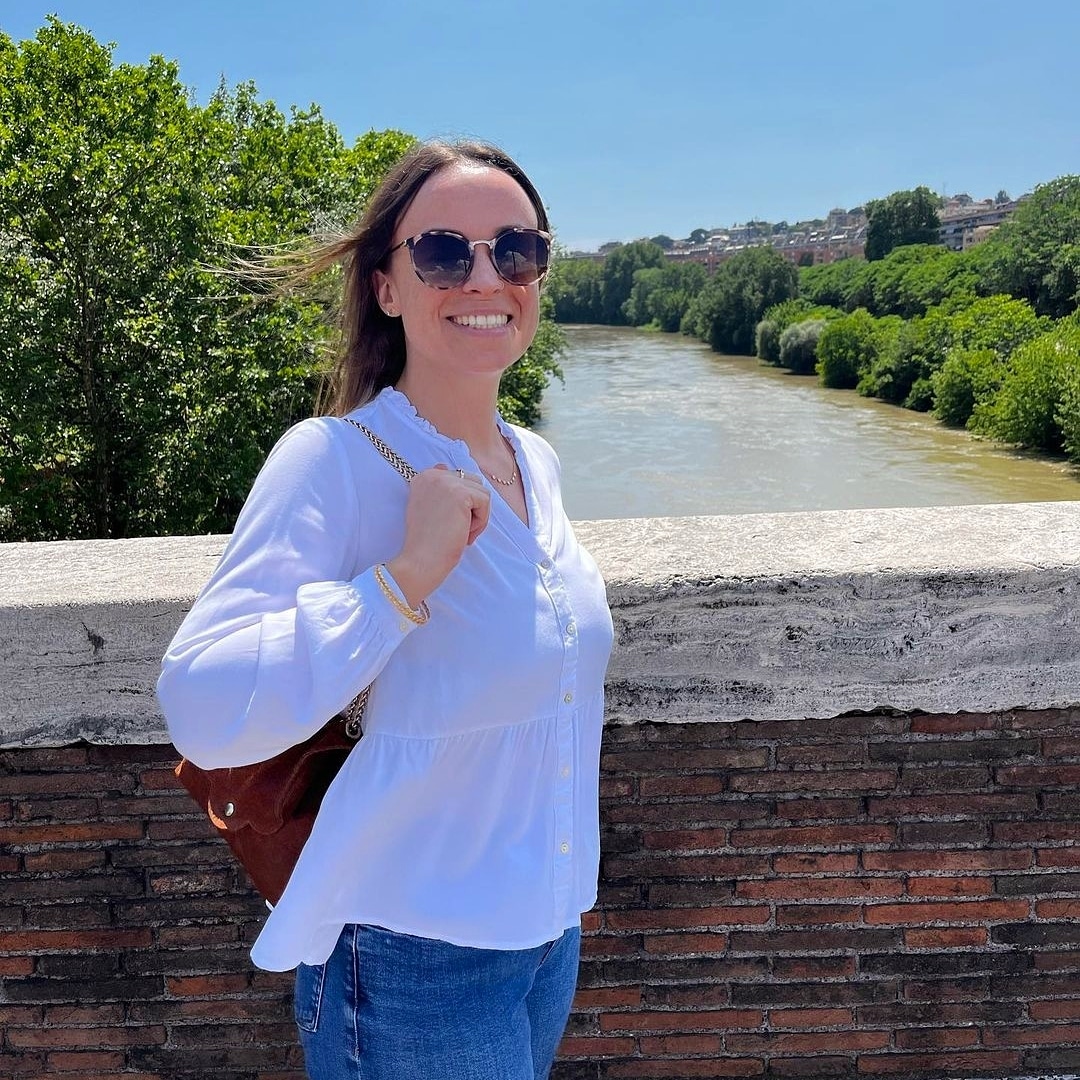
Home finder Anne (Merida)

Anne or another of our home finders will handle your search.

Reliability of listings
Information symbol.
Your home finder is there to select the goods, he visits them, alone, with you in person, or with you by video. And above all, he knows how to rely on reliable business partners who only present him with quality goods.
Icône de fermeture (croix)
Market access
Information symbol.
Your home finder can offer you his own goods, he also has access to all the offers published on the market, and he knows the local agencies and landlords
Icône de fermeture (croix)
Scam risk
Information symbol.
At Remoters, we no longer count the number of French people who have signed a rental contract abroad, without understanding it. Some unscrupulous sellers take advantage of this to insert conditions that are disadvantageous for the tenant. This cannot happen when the contract is reviewed by our home finder.
Icône de fermeture (croix)
Access to local prices
Information symbol.
When you search alone, about 85% of the time goes into searching and 15% into viewings. With a home finder, you only do the viewings
Icône de fermeture (croix)
Application accepted
Information symbol.
In areas where homeowners have plenty of candidates to choose from, they rarely choose foreigners first. Your home finder will use his influence (and his mastery of the language) to put your case before others.
Icône de fermeture (croix)
Information symbol.
Satisfaction
Only 20% of satisfied buyers according to the 2018 Crédit Foncier study. For its part, Remoters gets a score of 4/5 or 5/5 in 95% of cases
Icône de fermeture (croix)

Browsing online listings

Weak
Weak
Elevated
Red cross icon.
Uncertain
20%

Finding with Remoters

Total
Total
Weak
Very likely
95%
Merida

Merida, the capital of Yucatan state in Mexico, has become one of Latin America's most sought-after destinations for long-term expat renters, drawn by its colonial architecture, cultural richness, relative safety, and quality of life. The city's rental market is diverse, ranging from restored colonial homes in Centro Historico to modern apartments in the northern suburbs. However, the market presents real challenges for foreign renters: the aval (local guarantor) requirement, Spanish-language contracts, rising rents in expat-popular colonias, and a significant share of listings that circulate only through local networks and Facebook groups. Working with a local rental search specialist helps you navigate these obstacles efficiently, access the full range of available properties, and secure a lease on fair terms — whether you are relocating for a few months or planning a long-term stay.

In short: Merida is an attractive long-term rental destination for expats, but the market has real barriers for foreigners — particularly the aval (guarantor) requirement, Spanish-language contracts, and a fragmented listing landscape. Rents vary significantly by colonia, with Centro Historico and Garcia Gineres commanding higher prices than northern or eastern suburbs. Working with a local rental search specialist saves time, reduces risk, and widens your search beyond public platforms.

The long-term rental market in Merida has become increasingly competitive, particularly in neighbourhoods popular with international residents:

  • Rising rents in expat areas: Demand from foreign residents has pushed rents upward in colonias such as Centro Historico, Garcia Gineres, and Santiago. Well-priced, well-maintained properties in these areas are often taken within days of being listed.
  • Limited online inventory: A significant share of available rentals in Merida is not listed on mainstream portals. Many landlords advertise exclusively through local Facebook groups, word of mouth, or handwritten signs on the property itself, making it hard to get a complete picture of the market remotely.
  • Short-term vs. long-term competition: The growth of short-term rental platforms has reduced the supply of properties available for long-term leases in the most desirable central colonias, further tightening availability.
  • Language barrier: Negotiations with landlords are typically conducted in Spanish. Without fluency or a trusted local intermediary, misunderstandings about rent terms, included services, or maintenance responsibilities are common.
  • Scams targeting foreigners: Fraudulent listings — where a so-called landlord collects a deposit for a property they do not own or control — are a documented risk. Verifying ownership before transferring any money is essential.

Renting a home in Merida as a foreigner involves several administrative hurdles that can catch newcomers off guard:

  • The aval requirement: Most standard Mexican lease contracts require an aval — a Mexican national who owns property in Mexico and agrees to co-sign the lease as a guarantor. As a foreigner without local connections, finding an aval can be extremely difficult. Landlords may accept a larger deposit in lieu of an aval, but this is negotiated case by case.
  • Contracts in Spanish: All legally binding lease agreements are written in Spanish. Signing a contract you do not fully understand exposes you to clauses on maintenance responsibilities, early termination penalties, or automatic rent increases that may be unfavourable.
  • RFC and CURP: Some landlords or property managers request a Mexican tax identification number (RFC) or a CURP identity number. Foreigners on temporary or permanent residency visas can obtain these, but the process takes time and requires prior immigration steps.
  • Proof of income: Landlords often ask for bank statements or proof of regular income. Foreign bank statements may not be accepted without a certified translation or notarisation.
  • Utility transfers: Setting up or transferring CFE (electricity) and water accounts in your name requires in-person visits to local offices and can involve waiting periods.

Navigating the Merida rental market as a foreigner is genuinely complex, and working with a local rental search specialist offers concrete advantages:

  • Local network: Many of the best long-term rentals in Merida are let through local agents and landlords. A specialist with local networks can surface properties before they are widely advertised, giving you a real competitive edge.
  • Contract protection: A specialist reviews your lease in Spanish, identifies unfavourable clauses, and negotiates terms on your behalf — protecting you from hidden obligations around repairs, early termination, or rent escalation.
  • Solving the aval problem: An experienced local specialist knows which landlords accept alternative guarantees and can help you negotiate a deposit-based arrangement that avoids the need for a Mexican property-owning co-signer.
  • Fraud prevention: A specialist verifies ownership documents and the legitimacy of the listing before you transfer any money, eliminating the risk of deposit scams.
  • Time savings: Searching for a rental in Merida from abroad — across Facebook groups, local portals, and word-of-mouth networks — is time-consuming. A specialist consolidates this work and presents you with a curated shortlist matched to your criteria.
  • Local knowledge: Understanding the real differences between colonias — noise levels, flooding risk in rainy season, proximity to markets and transport — requires on-the-ground experience that a specialist brings directly to your search.

A rental search specialist working in Merida will carry out a thorough set of checks on your behalf before you commit to any lease:

  • Legal ownership and rental authorisation: Verifying that the person advertising the property is the legitimate owner or an authorised agent, and that the property is free of disputes or encumbrances that could affect your tenancy.
  • Lease contract review: Reading the full rental agreement in Spanish, flagging any clauses that place unusual repair obligations on the tenant, or that allow the landlord to terminate the lease on short notice.
  • Condition of the property: Conducting or accompanying a detailed inspection of the premises — checking plumbing, electrical systems, air conditioning units, roof condition, and any existing damage — so that a proper inventory is documented before move-in.
  • Utility accounts: Confirming that electricity (CFE), water, and internet accounts are either in the landlord's name or can be transferred cleanly, and that there are no outstanding balances that could become your liability.
  • Aval requirements: Assessing whether the landlord requires an aval (a Mexican property-owning guarantor) and, if so, identifying legitimate alternatives such as an additional deposit or a rental guarantee arrangement.
  • Neighbourhood safety and amenities: Providing an honest assessment of the colonia's walkability, proximity to services, noise levels, and overall suitability for your lifestyle and daily routine.

A structured rental search process in Merida typically unfolds in the following stages:

  1. Needs assessment: Defining your requirements — budget in USD/month or MXN/month, preferred colonias, furnished or unfurnished, minimum size, pet policy, parking needs, and desired lease length.
  2. Market briefing: Receiving an honest overview of current rental conditions in Merida, including realistic price ranges by neighbourhood, typical lease terms, and the aval or deposit requirements you are likely to encounter.
  3. Property search: Canvassing available listings across online portals, local Facebook groups, agency networks, and direct landlord contacts to build a shortlist of properties matching your criteria.
  4. Viewings: Visiting shortlisted properties in person (or via a trusted representative if you are still abroad), assessing condition, neighbourhood feel, and value for money.
  5. Due diligence: Verifying ownership documents, checking for outstanding utility debts, and reviewing the draft lease contract in full before any commitment is made.
  6. Negotiation: Negotiating rent, deposit amount, lease duration, included furnishings, and any repair or maintenance obligations with the landlord.
  7. Move-in inventory: Completing a detailed written and photographic record of the property's condition at the start of the tenancy to protect your deposit at the end.

Rental search support in Merida is particularly valuable for the following profiles:

  • International professionals: Professionals relocating to Merida for its quality of life and relatively low cost of living, who need a reliable long-term base but lack local contacts to navigate the rental market independently.
  • Retirees and long-stay expats: Individuals planning an extended stay or permanent relocation who want a comfortable, well-located home and need guidance on lease terms, utilities, and neighbourhood selection.
  • Families relocating internationally: Households with children who need to factor in proximity to international schools, safe streets, and family-friendly amenities when choosing a colonia.
  • Professionals on assignment: Employees or contractors sent to Merida for a fixed period who need a furnished apartment quickly and cannot afford to spend weeks searching independently.
  • First-time renters in Mexico: Anyone unfamiliar with Mexican rental law, the aval system, or Spanish-language contracts who wants professional support to avoid costly mistakes.
  • Renters searching from abroad: People who need to secure accommodation before arriving in Merida and cannot conduct viewings in person, requiring a trusted local representative to act on their behalf.

Merida is divided into distinct colonias, each offering a different rental experience. Here is a comparison of the main areas to consider for long-term rental:

  • Centro Historico: The historic heart of the city, with colonial architecture, walkable streets, markets, restaurants, and cultural life. Rents here tend to be among the highest in the city, reflecting strong demand from both expats and short-term rental platforms. Noise and heat can be factors in older buildings.
  • Garcia Gineres: A quiet, tree-lined residential colonia close to Centro, popular with long-term expat residents. It offers a calmer atmosphere than the historic centre while remaining close to amenities. Rents are generally moderate to high.
  • Santiago and Santa Ana: Charming, walkable colonias just north of Centro with a mix of restored colonial homes and local neighbourhood life. These areas attract renters who want character and walkability at slightly lower rents than the very centre.
  • Paseo de Montejo corridor: The grand boulevard and its surrounding streets offer upscale apartments and restored mansions. Rents are at the premium end of the market, and the area is well-served by restaurants and services.
  • North Merida (Altabrisa, Montejo Norte, Campestre): Modern, suburban colonias with shopping centres, international schools, and newer apartment complexes. Rents vary widely; the area is car-dependent but offers more modern infrastructure. Popular with families and professionals.
  • East Merida: More affordable colonias further from the tourist centre, offering lower rents and a more local atmosphere. Suitable for renters on tighter budgets who are comfortable with less walkability.

When budgeting for a long-term rental in Merida, Mexico, several cost factors deserve close attention beyond the monthly rent itself:

  • Security deposit: Landlords typically require one to two months' rent as a deposit, and some may ask for more if you cannot provide an aval (local guarantor). Budget for this upfront cost before signing any lease.
  • First, last and deposit: It is common practice in Merida for landlords to request the first month's rent, the last month's rent, and a security deposit simultaneously — meaning you may need to have three months' rent available at move-in.
  • Utilities: Electricity bills can be significant, especially during the hot summer months when air conditioning runs continuously. Confirm whether utilities are included in the quoted rent or billed separately.
  • Furnished vs. unfurnished: Furnished apartments command a premium. If you are renting unfurnished, factor in the cost of basic furniture and appliances.
  • Currency fluctuation: Many landlords in expat-popular areas quote rents in USD per month. If you are paid in another currency, monitor exchange rates carefully, as your effective monthly cost in your home currency can vary.
  • Neighbourhood premium: Rents in Centro Historico and along Paseo de Montejo are generally higher than in residential colonias further north or east. Clarify exactly which colonia a listing is in before comparing prices.

Relocating to Merida without adequate preparation leads to a number of recurring mistakes among foreign renters:

  • Signing a lease remotely without visiting: Committing to a rental based solely on photos and video calls is risky. Lighting, noise, neighbourhood feel, and the actual condition of fixtures are difficult to assess without an in-person visit.
  • Ignoring the aval issue until the last moment: Many renters only discover the aval requirement when they are ready to sign, causing delays or forcing them to accept less suitable properties that waive this condition.
  • Not documenting the property's condition at move-in: Failing to create a detailed written and photographic inventory before moving in can result in disputes over the security deposit at the end of the tenancy.
  • Underestimating electricity costs: Air conditioning in Merida's tropical climate can make electricity bills substantially higher than expected, particularly in summer. Always ask for recent CFE bills before signing.
  • Choosing a neighbourhood based on price alone: Opting for the cheapest available option without considering walkability, transport links, or proximity to daily services can significantly affect quality of life.
  • Transferring a deposit without a signed contract: Sending money to secure a property before a lease is signed and ownership is verified is one of the most common ways renters lose money to fraudulent listings.
  • Visit before you commit: Spend at least one to two weeks in Merida staying in a short-term rental before signing a long-term lease. Use this time to explore different colonias at different times of day and night.
  • Join local Facebook groups: Groups dedicated to Merida rentals and general expat community groups are among the most active sources of long-term rental listings in the city.
  • Ask for recent electricity bills: CFE electricity costs in Merida can be high due to air conditioning use. Always request the last three to six months of bills before agreeing to rent a property.
  • Prepare your deposit funds in advance: Be ready to provide the equivalent of two to three months' rent upfront (first month, last month, and deposit) if you cannot provide an aval.
  • Get everything in writing: Verbal agreements with landlords carry no legal weight. Ensure all terms — rent amount, included utilities, maintenance responsibilities, and lease duration — are clearly stated in the signed contract.
  • Document the property at move-in: Take dated photographs of every room and note any existing damage in writing, signed by both parties, before you move in. This protects your deposit when you leave.
  • Work with a local specialist for contract review: Even if you speak Spanish, having a professional review your lease for unusual clauses is a worthwhile investment before signing.

Remoters connects you with vetted local rental search specialists in Merida who can guide you through every step of finding and securing a long-term rental — from your first neighbourhood briefing to move-in day. Whether you are searching from abroad or already on the ground, Remoters helps you avoid the most common pitfalls of the Merida rental market: fraudulent listings, unfavourable lease clauses, the aval challenge, and the difficulty of finding the right property. Submit your search criteria and get matched with a specialist who knows the Merida rental market in depth.

A Home Finder based in Merida reaches the homes that circulate only in local Facebook groups, by word of mouth or on signs placed on the property, impossible to spot from a distance. They target the Centro Histórico, García Ginerés, Santiago, Santa Ana or the north of the city depending on your profile.

They confirm ownership of the property, view with photos or video, ask for recent CFE bills and read the lease in Spanish before you sign.

You first talk, free of charge and with no commitment, to a Home Finder in Merida who speaks English. They then send a quote setting out what is included and what happens if the search does not succeed.

They shortlist, view with photos or video, assess the aval question with you and follow the application through to signing. You pay online; the funds are released to the Home Finder once the search is complete. Spending one to two weeks on site before signing is still advisable.

The most serious is the fraudulent listing: a fake landlord collects a deposit for a property they do not control. The Home Finder therefore checks ownership before any transfer and refuses to pay without a signed contract.

They also reread the lease in Spanish, spot unusual repair clauses, short-notice termination or automatic increases, and check the plumbing, air conditioners and the level of summer electricity bills.

An aval is a Mexican guarantor, who owns property in Mexico, who cosigns the lease. A foreigner with no local ties rarely finds one; some landlords accept a larger deposit instead, case by case.

Allow for a deposit of one to two months, often requested along with the first and last month, so about three months' rent on move-in. Some ask for an RFC or CURP, and foreign bank statements may need translating.

What are you looking for in Merida?

One of our home finders will look for the ideal property for you

How does it work?

1

First contact:Your home finder offers a free call to understand your needs.

2
Quote: If you’re ready to move forward, you’ll receive a personalized quote via Remoters.
3
Mission start: Once approved and paid, the housing search begins.
4
Support: Your home finder assists you through to the lease signing and your arrival.
5
Feedback: Share your review — your satisfaction is our priority !
A couple lying on a bed, embracing.

We are present around the world!

Remoters continues to grow!
We are recruiting new home finders everywhere, do not hesitate to apply
World map with red markers in the Americas, Europe, Africa and Asia.I am applying

Frequently asked questions

A hand pointing at a laptop screen while the other types.
What does a Home Finder do to find you a long-term rental in Merida?

A Home Finder based in Merida reaches the homes that circulate only in local Facebook groups, by word of mouth or on signs placed on the property, impossible to spot from a distance. They target the Centro Histórico, García Ginerés, Santiago, Santa Ana or the north of the city depending on your profile.

They confirm ownership of the property, view with photos or video, ask for recent CFE bills and read the lease in Spanish before you sign.

A hand pointing at a laptop screen while the other types.
How does your search in Merida work while you are still remote?

You first talk, free of charge and with no commitment, to a Home Finder in Merida who speaks English. They then send a quote setting out what is included and what happens if the search does not succeed.

They shortlist, view with photos or video, assess the aval question with you and follow the application through to signing. You pay online; the funds are released to the Home Finder once the search is complete. Spending one to two weeks on site before signing is still advisable.

A hand pointing at a laptop screen while the other types.
Which traps does a Home Finder spot before you rent in Merida?

The most serious is the fraudulent listing: a fake landlord collects a deposit for a property they do not control. The Home Finder therefore checks ownership before any transfer and refuses to pay without a signed contract.

They also reread the lease in Spanish, spot unusual repair clauses, short-notice termination or automatic increases, and check the plumbing, air conditioners and the level of summer electricity bills.

A hand pointing at a laptop screen while the other types.
What is an aval, and what should you plan for to rent in Merida as a foreigner?

An aval is a Mexican guarantor, who owns property in Mexico, who cosigns the lease. A foreigner with no local ties rarely finds one; some landlords accept a larger deposit instead, case by case.

Allow for a deposit of one to two months, often requested along with the first and last month, so about three months' rent on move-in. Some ask for an RFC or CURP, and foreign bank statements may need translating.