
Our home finder in Dominican Republic will help you find your ideal home

Save time and skip the stress

Main tenant une petite maison blanche avec un toit rouge et une porte bleue.
Rent at real local prices

Icône de bouclier vert avec une coche blanche, symbole de sécurité ou d'assurance.
Secure your new home safely from abroad

Why choose a home finder ?

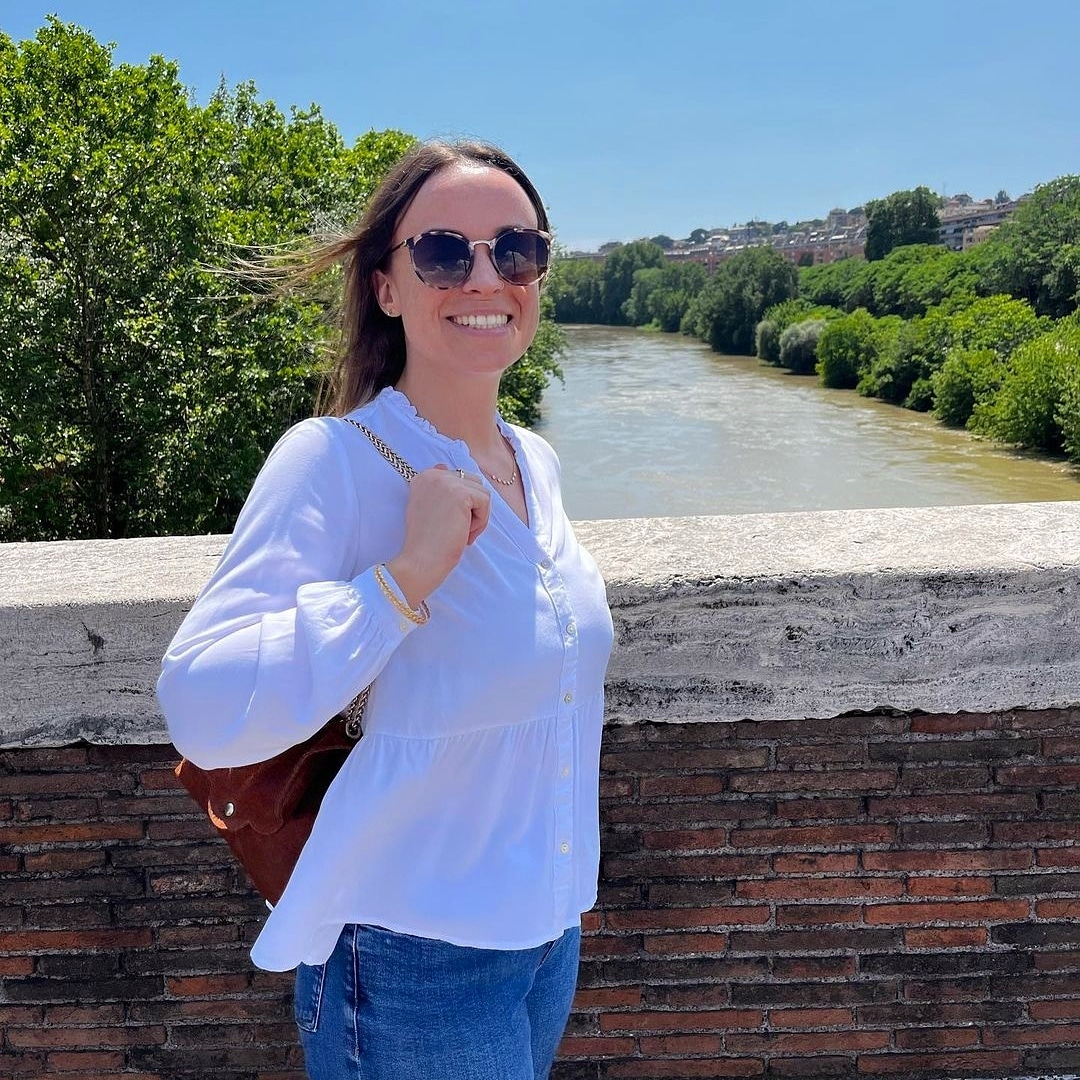
Photo chasseur immobilier - Anne - Dominican Republic

Anne, ou un autre de nos chasseurs in Dominican Republic, prendra en charge votre recherche

Reliability of listings
Symbole d'information en cercle bleu foncé sur fond transparent.
Your hunter is there to select the goods, he visits them, alone, with you in person, or with you by video. And above all, he knows how to rely on reliable business partners who only present him with quality goods.
Icône de fermeture (croix)
Market access
Symbole d'information en cercle bleu foncé sur fond transparent.
Your hunter can offer you his own goods, he also has access to all the offers published on the market, and even to quite a few off market offers
Icône de fermeture (croix)
Scam risk
Symbole d'information en cercle bleu foncé sur fond transparent.
At Remoters, we no longer count the number of French people who have signed a rental contract abroad, without understanding it. Some unscrupulous sellers take advantage of this to insert conditions that are disadvantageous for the tenant. This cannot happen when the contract is reviewed by our hunter.
Icône de fermeture (croix)
Access to local prices
Symbole d'information en cercle bleu foncé sur fond transparent.
Quand vous cherchez seul, environ 85% du temps est consacré aux recherches, et 15% aux visites. Avec un chasseur, vous ne faites que les visites
Icône de fermeture (croix)
Application accepted
Symbole d'information en cercle bleu foncé sur fond transparent.
In areas where homeowners have plenty of candidates to choose from, they rarely choose foreigners first. Your hunter will use his influence (and his mastery of the language) to put your case before others.
Icône de fermeture (croix)
Symbole d'information en cercle bleu foncé sur fond transparent.
Satisfaction
Only 20% of satisfied buyers according to the 2018 Crédit Foncier study. For its part, Remoters gets a score of 4/5 or 5/5 in 95% of cases
Icône de fermeture (croix)

Browsing online listings

Weak
Weak
Elevated
Icône rouge de croix X sur fond blanc.
Uncertain
20%

Finding with Remoters

Total
Total
Weak
Very likely
95%
Dominican Republic

The Dominican Republic is an increasingly popular destination for expats, remote workers, retirees, and international families seeking long-term rental accommodation. The country offers a wide range of options — from luxury apartments in Santo Domingo's Piantini district to beachside rentals in Punta Cana and laid-back living in Las Terrenas — at price points that vary significantly by location and property type.

The rental market is partly informal, with a substantial share of listings circulating through local networks and social media rather than centralised platforms. Lease contracts are in Spanish and governed by Dominican law, most recently updated by Law 85-25 (August 2025), which introduced clearer rules on security deposits, rent adjustments, and tenant protections. Security deposits for residential properties are now capped at two months' rent and must be held at a regulated bank.

Expats navigating this market for the first time face challenges including language barriers, infrastructure variability, informal intermediaries, and the need for local guarantors. Professional rental search support helps tenants access the right properties, avoid common pitfalls, and secure a compliant lease efficiently.

Finding a long-term rental in the Dominican Republic means navigating a partly informal market where contracts are in Spanish, rents are quoted in USD, and infrastructure quality varies widely between buildings and neighbourhoods. The most popular expat areas include Piantini, Naco, and Serrallés in Santo Domingo, Punta Cana and Cap Cana on the east coast, and Las Terrenas on the Samaná Peninsula. Under Law 85-25 (August 2025), residential security deposits are capped at two months' rent and must be held at a regulated bank. Always sign a written contract, verify ownership, and budget for utilities on top of the headline rent. Professional rental search support is strongly recommended for expats arriving without local contacts or Spanish language skills.

The Dominican Republic's long-term rental market presents a number of structural challenges that can make finding suitable accommodation difficult, particularly for newly arrived expats:

  • Informal listings: A significant share of available rentals are advertised informally — through word of mouth, Facebook groups, or handwritten signs — rather than on centralised platforms. This makes comprehensive market comparison difficult.
  • Unreliable intermediaries: The market includes unregulated agents and informal brokers. Verifying the legitimacy of intermediaries and the authenticity of ownership documents requires local knowledge and due diligence.
  • Seasonal scarcity in tourist areas: In Punta Cana and other coastal destinations, landlords often prefer short-term tourist lets during high season (November–April), reducing the supply of long-term rentals and increasing competition among tenants.
  • Price opacity: Advertised rents are not always consistent with actual market rates. Negotiation is common, but requires knowledge of local benchmarks.
  • Infrastructure variability: The quality of electricity supply, water pressure, and internet connectivity varies considerably between buildings and neighbourhoods, even within the same city. Properties with reliable backup power command a significant premium.
  • Rapid market evolution: Rental demand from remote workers and expats has grown substantially in recent years, putting upward pressure on rents in prime neighbourhoods of Santo Domingo and Punta Cana.
  • Limited tenant protections (historically): Although Law 85-25 (2025) has modernised the legal framework, enforcement practices are still evolving and tenants should remain vigilant.

Navigating the administrative side of renting in the Dominican Republic presents several challenges for foreign nationals:

  • Language barrier: Lease contracts are drafted in Spanish. Expats are strongly advised to arrange a certified translation before signing any document.
  • Residency status: While a tourist visa allows short stays, signing a long-term lease and opening a local bank account is significantly easier with a valid residency permit. The temporary residency application process requires multiple notarised documents and can take several months.
  • Deposit banking requirement: Under Law 85-25 (Official Gazette, August 14, 2025), security deposits must be lodged at Banreservas or Banco Agrícola. Foreign tenants without a local bank account may face practical difficulties complying with this requirement.
  • Fiador (guarantor): Some landlords require a fiador — a Dominican national or long-term resident — to guarantee rent payments. This can be a significant obstacle for newly arrived expats with no local network.
  • Proof of income: Landlords may request proof of regular income, which can be complex for freelancers, remote workers, or retirees whose income comes from abroad.
  • Contract registration: Lease agreements are not always formally registered, which can create legal uncertainty in the event of a dispute.
  • Utility connections: Setting up electricity (EDESUR/EDENORTE), water, and internet contracts in a tenant's name often requires a local identification number (cédula) or residency document.

The Dominican Republic's rental market is dynamic, fragmented, and partly informal — making professional rental search support particularly valuable for expats and international tenants:

  • Market access: A significant portion of available long-term rentals are not listed on public platforms. A local rental search specialist has access to off-market properties and trusted agency networks.
  • Language and legal expertise: Lease contracts are in Spanish and governed by Dominican law, including the recently enacted Law 85-25 (August 2025). Professional support ensures contracts are reviewed, translated, and compliant.
  • Time savings: Searching remotely across multiple informal channels — Facebook groups, local portals, agency websites — is time-consuming and inefficient. A specialist filters and shortlists properties according to the tenant's specific criteria.
  • Negotiation leverage: Knowledge of local rent benchmarks enables effective negotiation on price, deposit terms, and lease conditions.
  • Fraud prevention: Verifying ownership documents, agent credentials, and property legitimacy requires local expertise that most newly arrived expats do not have.
  • Neighbourhood guidance: Choosing between Santo Domingo's Piantini, Naco, or Serrallés, or between Punta Cana Village, Cap Cana, and Las Terrenas, requires nuanced knowledge of infrastructure quality, safety, and lifestyle fit.
  • End-to-end support: From initial briefing to lease signing and move-in inventory, a rental search specialist manages the entire process, reducing stress and risk for the tenant.

A rental search specialist in the Dominican Republic carries out a thorough set of checks before recommending any property to a prospective long-term tenant:

  • Ownership and title verification: Confirming that the landlord is the legitimate owner or authorised representative of the property, and that no legal disputes or encumbrances affect the rental.
  • Contract compliance: Reviewing the lease against the requirements of Law 85-25 (August 2025), including deposit limits, rent adjustment clauses, and eviction procedures.
  • Infrastructure quality: Assessing the reliability of electricity supply (including backup generator or inverter), water pressure, internet connectivity, and air conditioning — all of which vary significantly by neighbourhood and building.
  • Building security: Verifying the presence of 24-hour security, gated access, CCTV, and parking — key criteria for expat tenants in Santo Domingo and Punta Cana.
  • Inventory and condition report: For furnished rentals, producing a detailed itemised inventory to protect the tenant's deposit at the end of the lease.
  • Neighbourhood due diligence: Evaluating proximity to international schools, private hospitals, supermarkets, and public transport, as well as the general safety profile of the area.
  • Hidden charges: Identifying all recurring fees (condominium charges, maintenance, security, parking) that are not included in the advertised rent.
  • Intermediary reliability: Verifying the credentials and reputation of any local agency or individual involved in the transaction, as the Dominican rental market includes informal intermediaries.

A professional rental search service in the Dominican Republic typically follows a structured process to find and secure the right long-term accommodation for the tenant:

  1. Initial briefing: A detailed consultation to define the tenant's requirements — location preferences, budget in USD/month, property type, furnished or unfurnished, must-have amenities (backup power, parking, security), and target move-in date.
  2. Market research and shortlisting: The specialist searches across formal listings, agency networks, and off-market sources to identify properties matching the brief. Seasonal availability and neighbourhood safety profiles are factored in.
  3. Property visits: Selected properties are visited in person (or via a trusted representative for remote tenants) to assess infrastructure quality, building condition, neighbourhood environment, and compliance with stated specifications.
  4. Due diligence: Verification of the landlord's ownership rights, the property's legal status, and the reliability of the intermediary involved.
  5. Negotiation: The specialist negotiates rent, deposit terms (capped at two months' rent under Law 85-25), advance payment, and any additional clauses on behalf of the tenant.
  6. Contract review: The lease is reviewed for compliance with Dominican rental law, translated into the tenant's language if required, and explained clause by clause before signing.
  7. Move-in support: Assistance with the move-in inventory (especially for furnished properties), deposit lodging at Banreservas or Banco Agrícola, and initial utility setup guidance.

Professional rental search support in the Dominican Republic is particularly relevant for the following profiles:

  • Expats relocating for work: Professionals moving to Santo Domingo for corporate assignments who need to find quality housing quickly, often before arriving in the country.
  • Remote workers and digital nomads: International workers choosing the Dominican Republic as a long-term base, typically seeking furnished apartments with reliable internet and backup power in areas such as Piantini, Naco, or Punta Cana.
  • Retirees: Foreign retirees settling in the Dominican Republic long-term, often prioritising safety, proximity to private healthcare, and a comfortable lifestyle in neighbourhoods such as Serrallés or Las Terrenas.
  • Families with children: Expat families requiring proximity to international schools, green spaces, and secure residential environments — particularly in Santo Domingo's upscale districts.
  • Students: International students enrolled at universities in Santo Domingo or Santiago who need affordable, well-located accommodation close to their campus.
  • Newly arrived expats without local networks: Anyone relocating to the Dominican Republic for the first time, without the local contacts or language skills needed to navigate the informal rental market independently.
  • Tenants relocating from abroad: Those who cannot visit properties in person before committing to a lease and need a trusted local representative to conduct viewings and due diligence on their behalf.

The Dominican Republic offers a range of neighbourhoods and regions suited to different lifestyles and budgets. Here is an overview of the main areas to consider for long-term rental:

  • Piantini (Santo Domingo): The most prestigious residential district in the capital, known for luxury apartment buildings, upscale restaurants, and vibrant nightlife. Ideal for expats seeking a high-end urban lifestyle. Rents are among the highest in the country.
  • Naco (Santo Domingo): A cosmopolitan residential and commercial neighbourhood with modern gyms, shopping malls, and a wide range of restaurants. Popular with young professionals and expats who enjoy an active urban environment.
  • Serrallés (Santo Domingo): A quieter, upscale area bordering major shopping centres and top-rated international schools. Well suited to expat families and retirees seeking a secure, green residential environment.
  • Evaristo Morales (Santo Domingo): A well-connected neighbourhood with strong demand from professionals, offering modern apartment buildings with security and amenities at slightly lower rents than Piantini.
  • Zona Colonial (Santo Domingo): The historic heart of the city, popular with expats seeking a culturally rich, walkable environment. Rental stock is more varied and includes renovated colonial-era properties.
  • Punta Cana / Bávaro (East Coast): A major expat and remote-worker hub, offering gated communities, beach proximity, and resort-style amenities. Long-term rental availability can be limited during high season (November–April).
  • Cap Cana (East Coast): A premium gated resort community near Punta Cana, offering high-end villas and apartments with full security and leisure facilities.
  • Las Terrenas (Samaná Peninsula): A laid-back beach town popular with European expats, offering a quieter lifestyle, a strong international community, and a growing range of long-term rental options.
  • Cabarete / Sosúa (North Coast): Favoured by remote workers, surfers, and active lifestyle expats. More affordable than Santo Domingo or Punta Cana, with a relaxed international atmosphere.
  • Santiago de los Caballeros: The country's second city, offering the most affordable long-term rental options. Well suited to expats working in the region's industrial and commercial sectors.

Rental prices in the Dominican Republic are most commonly quoted in US dollars (USD), even though the local currency is the Dominican peso (DOP). Expats should factor in exchange rate fluctuations when budgeting monthly costs.

  • Rent level by city: According to Corotos' Reporte Inmobiliario S1 2024, a studio in Santo Domingo's Distrito Nacional averages around USD 450/month, while Santiago offers more affordable options from approximately USD 155/month. One-bedroom apartments in prime Santo Domingo neighborhoods average around USD 950/month (TheLatinvestor, July 2025).
  • Security deposit: Under Law 85-25 (enacted August 2025), residential landlords may require a maximum of two months' rent as a security deposit, which must be held at Banreservas or Banco Agrícola.
  • Advance rent: One month's rent in advance is standard practice at lease signing.
  • Utilities: Water, electricity, internet, and building security fees are typically not included in the quoted rent. Budget an additional USD 100–150/month for utilities, depending on the property and region.
  • Furnished premium: Furnished apartments generally command a rent premium of approximately 15–25% over comparable unfurnished units (TheLatinvestor, 2025).
  • Seasonal pressure: In tourist-heavy areas such as Punta Cana, long-term rental availability tightens during high season (November–April), which can push prices upward.

Expats searching for long-term rentals in the Dominican Republic frequently make the following mistakes:

  • Paying a deposit without a written contract: Never transfer any funds — deposit or advance rent — before a signed, written lease agreement is in place. Verbal agreements offer no legal protection.
  • Not verifying the landlord's identity: Rental scams involving properties listed by non-owners do occur. Always verify that the person signing the lease is the legitimate owner or an authorised representative.
  • Ignoring the inventory: For furnished rentals, failing to document the condition and contents of the property at move-in can result in unjustified deposit deductions at the end of the lease.
  • Underestimating total monthly costs: Focusing only on the headline rent and overlooking utilities, condominium fees, security charges, and parking can lead to significant budget overruns.
  • Renting remotely without a visit: Committing to a lease based solely on photos or virtual tours is risky. Infrastructure quality, noise levels, and neighbourhood safety are best assessed in person or through a trusted local representative.
  • Signing a contract in Spanish without understanding it: Always obtain a certified translation of the lease before signing. Key clauses on rent increases, early termination, and deposit return must be clearly understood.
  • Choosing a location without testing it first: Starting with a short-term rental before committing to a long-term lease allows tenants to assess the neighbourhood, building quality, and daily practicalities.
  • Overlooking the fiador requirement: Some landlords require a local guarantor. Not anticipating this requirement can delay or block the rental process.
  • Start with a short-term rental: Before committing to a 12-month lease, spend one to two months in your target area to assess the neighbourhood, building quality, and daily practicalities.
  • Always get a written contract: Never pay a deposit or advance rent without a signed, written lease agreement. Verbal agreements have no legal standing under Dominican law.
  • Verify ownership documents: Ask to see the property title (título de propiedad) and confirm that the person signing the lease is the legitimate owner or an authorised representative.
  • Request an itemised inventory: For furnished rentals, insist on a detailed written inventory of all furniture and appliances before moving in. This protects your deposit at the end of the lease.
  • Budget for utilities separately: Water, electricity, internet, and building fees are typically not included in the rent. Allow for an additional USD 100–150/month for these costs.
  • Understand the deposit rules: Under Law 85-25 (2025), residential deposits are capped at two months' rent and must be held at Banreservas or Banco Agrícola — not by the landlord directly.
  • Negotiate in USD: Most long-term rentals in expat-friendly areas are priced in US dollars. Clarify the currency of the lease and any indexation clause before signing.
  • Check infrastructure reliability: Ask specifically about backup power (generator or inverter), water supply continuity, and internet speed. These vary significantly between buildings and are critical for remote workers.
  • Use a reputable local agent or specialist: Prioritise agencies with verifiable references and avoid paying any fees before a property visit and contract review.
  • Learn basic Spanish or hire a translator: Having the lease professionally translated before signing is strongly recommended for non-Spanish speakers.

Remoters connects expats, remote workers, and international tenants with vetted rental search specialists who have on-the-ground expertise in the Dominican Republic. Whether you are relocating to Santo Domingo, Punta Cana, Las Terrenas, or another part of the country, Remoters can help you:

  • Define your rental brief and identify the right neighbourhood for your lifestyle and budget
  • Access off-market listings and trusted local agency networks
  • Organise property visits and conduct due diligence on your behalf if you are searching remotely
  • Review and negotiate your lease in compliance with Dominican rental law, including Law 85-25 (2025)
  • Manage the move-in process, from inventory to deposit lodging

Finding a long-term rental in the Dominican Republic is faster, safer, and less stressful with the support of a local specialist who knows the market.

Searching for property in the Dominican Republic from abroad presents unique challenges that a professional property hunter is perfectly equipped to handle. Here's why their expertise is invaluable:

  • Local market knowledge: A property hunter has an in-depth understanding of the Dominican real estate market, including the best neighborhoods, fair pricing, and emerging areas that offer great investment potential.
  • Time-saving: Instead of spending countless hours browsing listings online, a property hunter does all the legwork for you, visiting properties, filtering out unsuitable options, and presenting only the best matches for your criteria.
  • Language barrier elimination: Navigating negotiations and legal documents in Spanish can be daunting. Your property hunter acts as a trusted intermediary, ensuring clear communication at every step.
  • Fraud prevention: The Dominican Republic, like many international markets, has its share of fraudulent listings. A local expert verifies the legitimacy of properties and sellers, protecting your investment.
  • Network access: Property hunters often have access to off-market listings and exclusive deals not available to the general public, giving you a significant competitive advantage.

With Remoters, you can connect with a vetted property hunter in the Dominican Republic who will represent your interests from start to finish, making your international property search seamless and secure.

Purchasing real estate in the Dominican Republic as a foreign buyer involves a specific legal framework that can be complex to navigate without local expertise. A property hunter plays a crucial role in guiding you through this process:

  • Understanding foreign ownership rights: Foreigners have the same property rights as Dominican citizens, but a property hunter ensures you fully understand the legal framework, including the CONFOTUR law which offers tax incentives for tourism-related investments.
  • Title verification: Your property hunter works alongside trusted local attorneys to verify that the property has a clean title (Certificado de Título), free of liens, encumbrances, or disputes.
  • Due diligence coordination: From checking zoning regulations to verifying property taxes are up to date, your hunter coordinates all necessary due diligence checks on your behalf.
  • Notary and registration process: The property hunter guides you through the notarization of the sales contract and the registration process with the Title Registry Office (Registro de Títulos).
  • Trusted professional network: A seasoned property hunter has established relationships with reliable local lawyers, notaries, and financial advisors who specialize in assisting foreign buyers.

By using Remoters to find your dedicated property hunter in the Dominican Republic, you gain a knowledgeable ally who ensures every legal step is handled correctly, giving you complete peace of mind throughout your purchase.

Absolutely! One of the greatest advantages of working with a property hunter through Remoters is their ability to conduct a comprehensive property search entirely on your behalf, even when you are thousands of miles away. Here is how they make it possible:

  • Virtual property tours: Your property hunter organizes high-quality video walkthroughs and virtual tours of shortlisted properties, allowing you to evaluate each option from the comfort of your home.
  • Detailed property reports: They provide thorough written reports on each property, including condition assessments, neighborhood analysis, proximity to amenities, and potential rental yield if you are considering an investment.
  • Market comparison analysis: Your hunter presents a comparative market analysis to ensure the asking price is fair and aligned with current market conditions in the Dominican Republic.
  • Negotiation on your behalf: Once you identify your preferred property, the hunter negotiates the best possible price and terms with the seller, representing your interests at every stage.
  • Power of attorney facilitation: For the final signing and administrative steps, your property hunter can guide you through granting a power of attorney to a trusted local representative, allowing the transaction to be completed without you needing to travel.

With Remoters, finding a reliable property hunter in the Dominican Republic means you can confidently purchase your dream property remotely, with full transparency and professional support at every step.

Understanding the cost structure of hiring a property hunter in the Dominican Republic is important for budgeting your purchase. Here is a transparent breakdown of what to expect and why the investment is well worth it:

  • Typical fee structure: Property hunters in the Dominican Republic generally charge either a flat fee or a percentage of the final purchase price, typically ranging from 1% to 3%. Some may also charge an initial retainer fee that is deducted from the final commission upon successful purchase.
  • What is included: This fee covers the full scope of services, including property sourcing, visits and virtual tours, market analysis, negotiation, coordination with legal professionals, and administrative support throughout the transaction.
  • Savings through negotiation: A skilled property hunter often negotiates price reductions that more than offset their fee. Their knowledge of local market values means you are unlikely to overpay for a property.
  • Avoiding costly mistakes: Without local expertise, foreign buyers risk purchasing properties with legal issues, hidden defects, or inflated prices. The cost of a property hunter is minimal compared to the potential financial losses from such mistakes.
  • Time is money: The hours you would spend researching, contacting agents, and traveling to the Dominican Republic for viewings represent a significant hidden cost. A property hunter eliminates this burden entirely.

Through Remoters, you can compare property hunters in the Dominican Republic, review their profiles, and choose the professional whose expertise and fee structure best align with your project. The investment in a property hunter is one of the smartest decisions you can make when buying real estate from abroad.

What are you looking for in Dominican Republic?

One of our home finders will look for the ideal property for you

How does it work?

1

First contact:Your home finder offers a free call to understand your needs.

2
Quote: If you’re ready to move forward, you’ll receive a personalized quote via Remoters.
3
Mission start: Once approved and paid, the housing search begins.
4
Support: Your home finder assists you through to the lease signing and your arrival.
5
Feedback: Share your review — your satisfaction is our priority !
Couple allongé sur le lit, pieds contre la tête de lit, s'enlaçant et regardant l'un l'autre.

We are present around the world!

Remoters continues to grow!
We are recruiting new home finders everywhere, do not hesitate to apply
Carte du monde en trois panneaux avec des marqueurs rouges indiquant des emplacements en Amériques, Europe, Afrique et Asie.I am applying

Questions fréquentes

Une main portant un bracelet noir pointe sur l'écran d'un ordinateur portable tandis qu'une autre main tape.
Why is it essential to use a property hunter when searching for real estate in the Dominican Republic from abroad?

Searching for property in the Dominican Republic from abroad presents unique challenges that a professional property hunter is perfectly equipped to handle. Here's why their expertise is invaluable:

  • Local market knowledge: A property hunter has an in-depth understanding of the Dominican real estate market, including the best neighborhoods, fair pricing, and emerging areas that offer great investment potential.
  • Time-saving: Instead of spending countless hours browsing listings online, a property hunter does all the legwork for you, visiting properties, filtering out unsuitable options, and presenting only the best matches for your criteria.
  • Language barrier elimination: Navigating negotiations and legal documents in Spanish can be daunting. Your property hunter acts as a trusted intermediary, ensuring clear communication at every step.
  • Fraud prevention: The Dominican Republic, like many international markets, has its share of fraudulent listings. A local expert verifies the legitimacy of properties and sellers, protecting your investment.
  • Network access: Property hunters often have access to off-market listings and exclusive deals not available to the general public, giving you a significant competitive advantage.

With Remoters, you can connect with a vetted property hunter in the Dominican Republic who will represent your interests from start to finish, making your international property search seamless and secure.

Une main portant un bracelet noir pointe sur l'écran d'un ordinateur portable tandis qu'une autre main tape.
How can a property hunter help me navigate the legal and administrative process of buying property in the Dominican Republic as a foreigner?

Purchasing real estate in the Dominican Republic as a foreign buyer involves a specific legal framework that can be complex to navigate without local expertise. A property hunter plays a crucial role in guiding you through this process:

  • Understanding foreign ownership rights: Foreigners have the same property rights as Dominican citizens, but a property hunter ensures you fully understand the legal framework, including the CONFOTUR law which offers tax incentives for tourism-related investments.
  • Title verification: Your property hunter works alongside trusted local attorneys to verify that the property has a clean title (Certificado de Título), free of liens, encumbrances, or disputes.
  • Due diligence coordination: From checking zoning regulations to verifying property taxes are up to date, your hunter coordinates all necessary due diligence checks on your behalf.
  • Notary and registration process: The property hunter guides you through the notarization of the sales contract and the registration process with the Title Registry Office (Registro de Títulos).
  • Trusted professional network: A seasoned property hunter has established relationships with reliable local lawyers, notaries, and financial advisors who specialize in assisting foreign buyers.

By using Remoters to find your dedicated property hunter in the Dominican Republic, you gain a knowledgeable ally who ensures every legal step is handled correctly, giving you complete peace of mind throughout your purchase.

Une main portant un bracelet noir pointe sur l'écran d'un ordinateur portable tandis qu'une autre main tape.
Can a property hunter in the Dominican Republic conduct the entire property search remotely on my behalf without me being physically present?

Absolutely! One of the greatest advantages of working with a property hunter through Remoters is their ability to conduct a comprehensive property search entirely on your behalf, even when you are thousands of miles away. Here is how they make it possible:

  • Virtual property tours: Your property hunter organizes high-quality video walkthroughs and virtual tours of shortlisted properties, allowing you to evaluate each option from the comfort of your home.
  • Detailed property reports: They provide thorough written reports on each property, including condition assessments, neighborhood analysis, proximity to amenities, and potential rental yield if you are considering an investment.
  • Market comparison analysis: Your hunter presents a comparative market analysis to ensure the asking price is fair and aligned with current market conditions in the Dominican Republic.
  • Negotiation on your behalf: Once you identify your preferred property, the hunter negotiates the best possible price and terms with the seller, representing your interests at every stage.
  • Power of attorney facilitation: For the final signing and administrative steps, your property hunter can guide you through granting a power of attorney to a trusted local representative, allowing the transaction to be completed without you needing to travel.

With Remoters, finding a reliable property hunter in the Dominican Republic means you can confidently purchase your dream property remotely, with full transparency and professional support at every step.

Une main portant un bracelet noir pointe sur l'écran d'un ordinateur portable tandis qu'une autre main tape.
What are the costs associated with hiring a property hunter in the Dominican Republic, and is it worth the investment?

Understanding the cost structure of hiring a property hunter in the Dominican Republic is important for budgeting your purchase. Here is a transparent breakdown of what to expect and why the investment is well worth it:

  • Typical fee structure: Property hunters in the Dominican Republic generally charge either a flat fee or a percentage of the final purchase price, typically ranging from 1% to 3%. Some may also charge an initial retainer fee that is deducted from the final commission upon successful purchase.
  • What is included: This fee covers the full scope of services, including property sourcing, visits and virtual tours, market analysis, negotiation, coordination with legal professionals, and administrative support throughout the transaction.
  • Savings through negotiation: A skilled property hunter often negotiates price reductions that more than offset their fee. Their knowledge of local market values means you are unlikely to overpay for a property.
  • Avoiding costly mistakes: Without local expertise, foreign buyers risk purchasing properties with legal issues, hidden defects, or inflated prices. The cost of a property hunter is minimal compared to the potential financial losses from such mistakes.
  • Time is money: The hours you would spend researching, contacting agents, and traveling to the Dominican Republic for viewings represent a significant hidden cost. A property hunter eliminates this burden entirely.

Through Remoters, you can compare property hunters in the Dominican Republic, review their profiles, and choose the professional whose expertise and fee structure best align with your project. The investment in a property hunter is one of the smartest decisions you can make when buying real estate from abroad.