
Our home finder in Delft will help you find your ideal home

Save time and skip the stress

A hand holding a small white house with a red roof and a blue door.
Rent at real local prices

Green shield icon with a white tick: security.
Secure your new home safely from abroad

Why choose a home finder ?

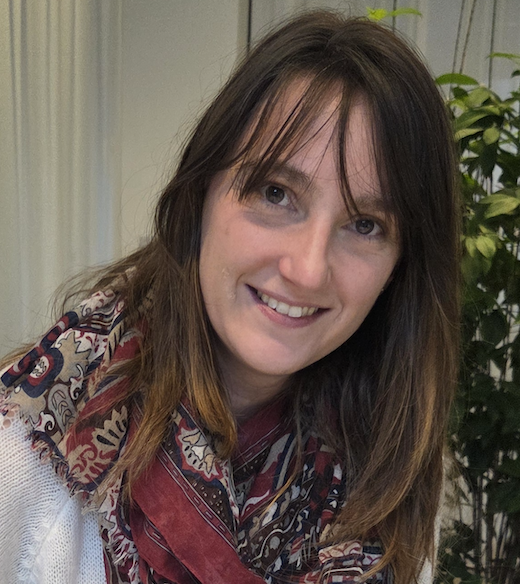
Home finder Laetitia (Delft)

Laetitia or another of our home finders will handle your search.

Reliability of listings
Information symbol.
Your home finder is there to select the goods, he visits them, alone, with you in person, or with you by video. And above all, he knows how to rely on reliable business partners who only present him with quality goods.
Icône de fermeture (croix)
Market access
Information symbol.
Your home finder can offer you his own goods, he also has access to all the offers published on the market, and he knows the local agencies and landlords
Icône de fermeture (croix)
Scam risk
Information symbol.
At Remoters, we no longer count the number of French people who have signed a rental contract abroad, without understanding it. Some unscrupulous sellers take advantage of this to insert conditions that are disadvantageous for the tenant. This cannot happen when the contract is reviewed by our home finder.
Icône de fermeture (croix)
Access to local prices
Information symbol.
When you search alone, about 85% of the time goes into searching and 15% into viewings. With a home finder, you only do the viewings
Icône de fermeture (croix)
Application accepted
Information symbol.
In areas where homeowners have plenty of candidates to choose from, they rarely choose foreigners first. Your home finder will use his influence (and his mastery of the language) to put your case before others.
Icône de fermeture (croix)
Information symbol.
Satisfaction
Only 20% of satisfied buyers according to the 2018 Crédit Foncier study. For its part, Remoters gets a score of 4/5 or 5/5 in 95% of cases
Icône de fermeture (croix)

Browsing online listings

Weak
Weak
Elevated
Red cross icon.
Uncertain
20%

Finding with Remoters

Total
Total
Weak
Very likely
95%
Delft

Delft is a historic university city in the South Holland province of the Netherlands, home to TU Delft — one of Europe's leading technical universities. The city attracts a large and diverse international population of students, researchers, and professionals, creating sustained and intense demand for long-term rental accommodation. The rental market is among the most competitive in the Netherlands: social housing waiting lists can exceed 56 months (Kences/Delta, TU Delft), private listings are snapped up within hours, and the 2024 Affordable Rent Act has further reduced mid-market supply. Average rents sit around 1,300 EUR/month (HousingAnywhere), with significant variation by neighbourhood and property type. Administrative hurdles — including the BSN registration process, Dutch-language contracts, and strict income requirements — add further complexity for international arrivals. Despite these challenges, Delft remains a highly desirable place to live, offering excellent quality of life, strong public transport links to The Hague and Rotterdam, and a rich cultural and academic environment.

In short: Delft's long-term rental market is highly competitive, with average rents around 1,300 EUR/month (HousingAnywhere), a severe housing shortage, and waiting lists of over four years for social housing. International arrivals face additional hurdles including the BSN registration process, Dutch-language contracts, and strict income requirements. Starting your search early, preparing a complete rental dossier, and using multiple platforms simultaneously are essential. Professional rental search support can significantly improve your chances of securing a suitable home quickly and safely.

The Delft rental market is highly competitive and presents several structural challenges for prospective tenants:

  • Severe housing shortage: Delft is one of the Dutch cities most affected by the housing shortage. According to data reported by NLCompass (2025), Delft has experienced a 44% loss of student rooms between Q1 2024 and Q1 2025, making it one of the hardest-hit cities in the Netherlands.
  • Long waiting lists: For social housing, students in Delft wait an average of 56 months for a room through social rental providers, according to Delta (TU Delft's publication), citing Kences data.
  • Extreme competition for private rentals: Desirable listings on platforms such as Pararius or Funda can receive 20 to 50 applications within 24 hours and are often rented within one to two days of being listed.
  • Shrinking mid-market supply: The Affordable Rent Act (July 2024) has led some landlords to withdraw properties from the rental market rather than comply with new rent caps, further reducing available supply in the mid-range segment.
  • TU Delft pressure: With tens of thousands of students and international researchers arriving each academic year, demand for rental accommodation consistently outstrips supply, particularly in the months leading up to September.
  • Scam risk: The tight market creates fertile ground for fraudulent listings. Expats and international students are disproportionately targeted.

Renting a home in Delft involves several administrative steps that can be challenging for newcomers and international residents:

  • BSN and address registration: To register with the Gemeente Delft and obtain a BSN (Burgerservicenummer), you need a confirmed rental address. However, many landlords require a BSN before signing a lease — creating a classic catch-22 for first-time arrivals. Highly skilled migrants and expats can use the Expat Desk at The Hague International Centre to register more quickly.
  • Income documentation: Landlords typically require recent payslips, an employer's declaration, and sometimes a bank statement. Self-employed individuals, freelancers, and those with foreign income sources often face additional scrutiny.
  • Proof of identity: A valid passport or EU identity card is required for both the lease and municipal registration.
  • Rental contract language: Contracts are frequently written in Dutch. Having them reviewed or translated before signing is strongly advisable.
  • Registration restrictions: Some landlords do not permit tenant registration at the property address, which is illegal and a red flag. Renting such a property can result in fines and prevents you from obtaining a BSN.
  • New lease rules (2024–2025): Since July 2024, indefinite rental contracts are the default in the Netherlands. Fixed-term contracts are only permitted in specific circumstances. Understanding your rights under the new legislation is essential before signing.

Navigating the Delft rental market independently is increasingly difficult, particularly for international arrivals. Here is why professional rental search support adds real value:

  • Extreme market pressure: With listings disappearing within hours and waiting lists stretching years for social housing, having a specialist who monitors the market in real time and acts quickly on your behalf is a significant advantage.
  • Local knowledge: A rental search specialist understands the nuances of Delft's neighbourhoods — from the historic Binnenstad to the more affordable Voorhof — and can match properties to your specific needs and commute requirements.
  • Administrative complexity: The BSN catch-22, Dutch-language contracts, new rental legislation (2024), and income verification requirements create a maze of administrative hurdles that a specialist can help you navigate efficiently.
  • Scam protection: In a tight market, fraudulent listings are common. A specialist verifies landlord identity, property legitimacy, and contract compliance before you commit.
  • Negotiation support: Understanding what is and is not negotiable in a Dutch rental context — deposit amounts, lease start dates, furnishing — requires local expertise that most newcomers do not have.
  • Time savings: For professionals relocating for work or researchers joining TU Delft, the time saved by delegating the search and administrative process has direct professional and personal value.

A rental search specialist supporting your accommodation search in Delft will typically verify the following on your behalf:

  • Lease contract compliance: Checking that the rental agreement complies with Dutch law, including the new rules on indefinite contracts introduced from 1 July 2024, and that no unlawful clauses are included.
  • Rent legitimacy: Verifying that the rent charged is consistent with the property's WWS score and applicable rent caps under the Affordable Rent Act (2024).
  • Landlord identity and authorisation: Confirming that the person offering the property is the legitimate owner or an authorised agent, to protect against rental scams — a known risk in competitive Dutch cities.
  • Municipal registration eligibility: Ensuring the property allows you to register your address with the Gemeente Delft, which is essential for obtaining your BSN (citizen service number) and accessing public services.
  • Property condition: Assessing the state of the property, including heating, insulation, and any existing damage, and ensuring a proper entry inspection report (opleveringsrapport) is drawn up.
  • Deposit and payment terms: Reviewing deposit conditions, payment methods, and ensuring no illegal fees are charged to the tenant.
  • Neighbourhood fit: Matching the property's location to your commute needs, lifestyle, and proximity to TU Delft campus, public transport, or international schools.

A structured rental search process in Delft typically follows these steps:

  1. Needs assessment: Define your requirements — budget, preferred neighbourhoods, size, furnishing, proximity to TU Delft or your workplace, and desired lease start date.
  2. Document preparation: Gather your rental dossier in advance: valid passport or ID, recent payslips or proof of income, employer's declaration or contract, bank statements, and references if available.
  3. Market monitoring: Set up real-time alerts on Pararius, Funda, Kamernet, and HousingAnywhere. In Delft's competitive market, speed of response is critical — listings can be gone within 24 hours.
  4. Property viewings: Visit shortlisted properties promptly. Prepare questions about registration eligibility, included costs, and lease terms before each viewing.
  5. Application submission: Submit a complete and well-presented rental dossier. Landlords and agencies in the Netherlands typically select tenants based on income verification and completeness of documentation.
  6. Lease review: Before signing, have the contract reviewed for compliance with Dutch rental law, including the new indefinite contract rules (from July 2024) and applicable rent caps.
  7. Deposit and move-in: Pay the agreed deposit (typically one to two months' rent), sign the lease, and complete a detailed entry inspection report (opleveringsrapport) to document the property's condition.
  8. Municipal registration: Register your address with the Gemeente Delft as soon as possible to obtain your BSN and access public services.

Rental search support in Delft is particularly relevant for the following profiles:

  • International students and researchers at TU Delft: Arriving from abroad without a local network, facing the BSN catch-22, and competing in one of the Netherlands' tightest student housing markets.
  • Expats and highly skilled migrants: Professionals relocating to Delft or the broader Haaglanden region who need to find suitable long-term accommodation quickly, often with a fixed start date tied to an employment contract.
  • Families relocating internationally: Households requiring larger properties with access to international schools, parks, and family-friendly neighbourhoods such as Tanthof or Vrijenban.
  • International professionals: Individuals seeking a stable long-term rental base in a well-connected Dutch city, with good rail links to The Hague, Rotterdam, and Amsterdam.
  • Academics and visiting researchers: Short- to medium-term residents affiliated with TU Delft or other institutions who need furnished or semi-furnished accommodation for a defined period.
  • Newcomers unfamiliar with Dutch rental law: Anyone who has not previously rented in the Netherlands and needs guidance on contracts, tenant rights, deposit rules, and the new 2024–2025 rental legislation.

Delft is a compact city with distinct neighbourhoods, each offering a different rental experience. Here is an overview of the main areas to consider:

  • Binnenstad (City Centre): The historic heart of Delft, with canals, period architecture, and proximity to shops, restaurants, and cultural venues. Rental prices are the highest in the city, and available units tend to be smaller. Ideal for those who prioritise location and atmosphere over space.
  • Voorhof: Delft's largest district and the most affordable in terms of entry-level rents. The area includes both high-rise rental flats (notably around Poptahof) and lower-rise terraced housing. Undergoing phased urban renewal. Suited to budget-conscious renters who do not require a central address.
  • Tanthof: A quieter, more suburban district popular with young Dutch families. Characterised by single-family homes, gardens, and good access to primary schools and Wilhelminapark. Rents are moderate and the area offers more space than the centre.
  • Vrijenban: A green district to the north of the centre, bordering the Delftse Hout recreation area. Older housing stock, good tram connections, and easy motorway access. More diverse in terms of resident age and background than Tanthof.
  • Buitenhof: A dense, diverse district with a high proportion of residents under 25. Mainly high-rise rental flats. Affordable and well-served by public transport, making it popular with students and young professionals.
  • Poptahof: Part of Voorhof, this area is known for its colourful, multicultural character and high-rise housing. Among the most affordable options in Delft, though liveability ratings are lower than in other districts.

When planning your rental budget in Delft, keep the following key points in mind:

  • Rent range: According to HousingAnywhere data, average rent in Delft is around 1,300 EUR/month, with listings typically ranging from approximately 900 EUR/month to 1,700 EUR/month depending on size, location, and furnishing.
  • Security deposit: Landlords in the Netherlands commonly request a deposit equivalent to one to two months' rent, payable upfront before moving in.
  • Income requirement: Most landlords and agencies require proof of gross income of at least three to four times the monthly rent. Without a Dutch employment contract, this can be a significant barrier for newcomers.
  • Service charges: Many listings quote a kale huur (bare rent) figure. Utilities, internet, and service costs are often billed separately and can add 100–250 EUR/month to your total housing costs.
  • Agency fees: Since 2023, landlords and agencies are no longer permitted to charge tenant administration fees in the Netherlands. Be cautious of any platform or intermediary requesting upfront fees beyond the deposit.
  • Rent regulation: Following the Dutch Affordable Rent Act (Wet betaalbare huur) introduced in July 2024, properties scoring up to 186 points under the WWS system are subject to rent caps. Always verify whether a listing falls under the regulated or free-market sector.

When searching for a long-term rental in Delft, avoid these common mistakes:

  • Waiting too long to start your search: Given the extreme competition, starting your search at least two to three months before your intended move-in date is strongly recommended, especially if you are arriving for the start of the academic year.
  • Relying on a single platform: Limiting your search to one website significantly reduces your chances. Use multiple platforms simultaneously — Pararius, Funda, Kamernet, HousingAnywhere — and set up instant alerts.
  • Accepting a property where you cannot register: Never sign a lease that prevents you from registering your address with the municipality. This is a legal requirement and essential for obtaining your BSN and accessing services.
  • Not reading the lease carefully: Signing a contract without understanding its terms — especially regarding rent increases, notice periods, and deposit return conditions — can lead to costly disputes. Have the contract reviewed if it is in Dutch.
  • Underestimating total costs: Focusing only on the headline rent figure and ignoring service charges, utilities, and internet costs can lead to budget shortfalls. Always ask for a full cost breakdown.
  • Falling for scams: Be wary of listings with unusually low rents, landlords who are abroad and cannot show the property, or requests for payment via wire transfer or gift cards before a contract is signed.
  • Ignoring neighbourhood fit: Choosing a neighbourhood based solely on price without considering commute time, amenities, or lifestyle compatibility can result in dissatisfaction and an early, costly move.

Practical tips for a successful long-term rental search in Delft:

  • Start early: Begin your search at least two to three months before your planned move-in date. For September arrivals, starting in June or July is advisable given the academic-year surge in demand.
  • Prepare your dossier in advance: Have your passport, payslips, employer's declaration, and bank statements ready to submit immediately when you find a suitable property. Incomplete applications are routinely rejected.
  • Use multiple platforms simultaneously: Combine Pararius, Funda, Kamernet, and HousingAnywhere, and activate instant email or push alerts for new listings matching your criteria.
  • Act fast: When a suitable listing appears, respond within hours — not days. Prepare a brief, professional introductory message to send with your application.
  • Verify registration eligibility: Before signing any lease, confirm that you are permitted to register your address with the Gemeente Delft. This is non-negotiable for obtaining your BSN.
  • Understand the new rental rules: Since July 2024, indefinite contracts are the default in the Netherlands. Be cautious of any landlord offering a short fixed-term contract without a lawful justification.
  • Budget for total costs: Always ask whether the quoted rent is kale huur (bare rent) or all-in. Factor in utilities, internet, and service charges when comparing listings.
  • Consider neighbouring areas: If Delft itself proves too competitive or expensive, areas such as Rijswijk, Pijnacker, or Schiedam offer reasonable commute times and potentially more available rental stock.

Finding a long-term rental in Delft as an international resident is a genuine challenge — from navigating the competitive private market to understanding Dutch lease law and completing municipal registration. Remoters connects you with vetted rental search specialists who know the Delft market and can support you at every stage of your accommodation search: from defining your needs and preparing your rental dossier, to identifying suitable properties, reviewing your lease, and guiding you through the registration process with the Gemeente Delft.

In Delft, your Home Finder constantly monitors Pararius, Funda, Kamernet and HousingAnywhere, contacts letting agents and landlords, and presents a selection of listings suited to your budget and preferred areas, from the Binnenstad to Tanthof or Vrijenban.

Depending on the quote, they view homes on your behalf with photos or video, prepare your application, support it, check the lease, which is often written in Dutch, and stay with you until signing.

Start at least two to three months before you move, and from June or July for a September arrival. In Delft, an attractive listing on Pararius or Funda can receive 20 to 50 applications in under 24 hours and be let within one to two days.

You therefore need to respond within hours with a complete application. Your Home Finder follows new listings in real time and applies on your behalf without delay.

The search begins with a free, no-commitment first conversation with a Home Finder based in Delft who speaks English. You then receive a quote showing what is included and what happens if the search does not succeed.

The Home Finder shortlists listings, views homes with photos or video, prepares your application, supports it and follows you through to signing. You pay online on the platform; the funds stay blocked during the search and are released to them once it is complete.

Scams first: unusually low rent, a landlord who claims to be abroad and cannot show the property, payment by bank transfer or gift card before any contract. Your Home Finder confirms that the person really is the owner or an authorised agent.

They also check that you will be able to register your address with the Gemeente Delft, that the rent matches the WWS score, that the lease follows the rules in force since July 2024 and that no illegal charge is passed on to you.

The most important is registering your address with the Gemeente Delft, which gives you your BSN. Yet many landlords ask for this number before signing: highly skilled workers can use the Expat Desk at The Hague International Centre to register faster.

Prepare your passport or ID card, recent payslips, an employer's letter and bank statements. Landlords often require a gross income of three to four times the rent, and contracts are frequently in Dutch.

What are you looking for in Delft?

One of our home finders will look for the ideal property for you

How does it work?

1

First contact:Your home finder offers a free call to understand your needs.

2
Quote: If you’re ready to move forward, you’ll receive a personalized quote via Remoters.
3
Mission start: Once approved and paid, the housing search begins.
4
Support: Your home finder assists you through to the lease signing and your arrival.
5
Feedback: Share your review — your satisfaction is our priority !
A couple lying on a bed, embracing.

We are present around the world!

Remoters continues to grow!
We are recruiting new home finders everywhere, do not hesitate to apply
World map with red markers in the Americas, Europe, Africa and Asia.I am applying

Frequently asked questions

A hand pointing at a laptop screen while the other types.
What does a Home Finder do for you in Delft, given how tight the market is?

In Delft, your Home Finder constantly monitors Pararius, Funda, Kamernet and HousingAnywhere, contacts letting agents and landlords, and presents a selection of listings suited to your budget and preferred areas, from the Binnenstad to Tanthof or Vrijenban.

Depending on the quote, they view homes on your behalf with photos or video, prepare your application, support it, check the lease, which is often written in Dutch, and stay with you until signing.

A hand pointing at a laptop screen while the other types.
How long should you allow to find a long-term rental in Delft?

Start at least two to three months before you move, and from June or July for a September arrival. In Delft, an attractive listing on Pararius or Funda can receive 20 to 50 applications in under 24 hours and be let within one to two days.

You therefore need to respond within hours with a complete application. Your Home Finder follows new listings in real time and applies on your behalf without delay.

A hand pointing at a laptop screen while the other types.
How does a home search in Delft work if you have not arrived yet?

The search begins with a free, no-commitment first conversation with a Home Finder based in Delft who speaks English. You then receive a quote showing what is included and what happens if the search does not succeed.

The Home Finder shortlists listings, views homes with photos or video, prepares your application, supports it and follows you through to signing. You pay online on the platform; the funds stay blocked during the search and are released to them once it is complete.

A hand pointing at a laptop screen while the other types.
Which scams and pitfalls does your Home Finder rule out in Delft?

Scams first: unusually low rent, a landlord who claims to be abroad and cannot show the property, payment by bank transfer or gift card before any contract. Your Home Finder confirms that the person really is the owner or an authorised agent.

They also check that you will be able to register your address with the Gemeente Delft, that the rent matches the WWS score, that the lease follows the rules in force since July 2024 and that no illegal charge is passed on to you.

A hand pointing at a laptop screen while the other types.
Which administrative steps should you plan for when renting in Delft?

The most important is registering your address with the Gemeente Delft, which gives you your BSN. Yet many landlords ask for this number before signing: highly skilled workers can use the Expat Desk at The Hague International Centre to register faster.

Prepare your passport or ID card, recent payslips, an employer's letter and bank statements. Landlords often require a gross income of three to four times the rent, and contracts are frequently in Dutch.