Find a place in Zurich within 4 weeks

Drapeau du Royaume-Uni avec croix rouges et blanches sur fond bleu.
An English-speaking Home Finder, based on-site

Emoji de détective avec chapeau, loupe et cheveux gris.
Shortlists properties and visits them for you

Icône de deux mains se serrant avec des flèches bleues au-dessus symbolisant un accord ou partenariat.
Backs your application and negotiates the lease

Icône de bouclier vert avec une coche blanche, symbole de sécurité ou d'assurance.
Every step protected, no hidden surprises

Icône d'une petite bourse rose avec une fermeture dorée.

Personalised support from € 700

You only pay after approving your quote

Why choose a home finder ?

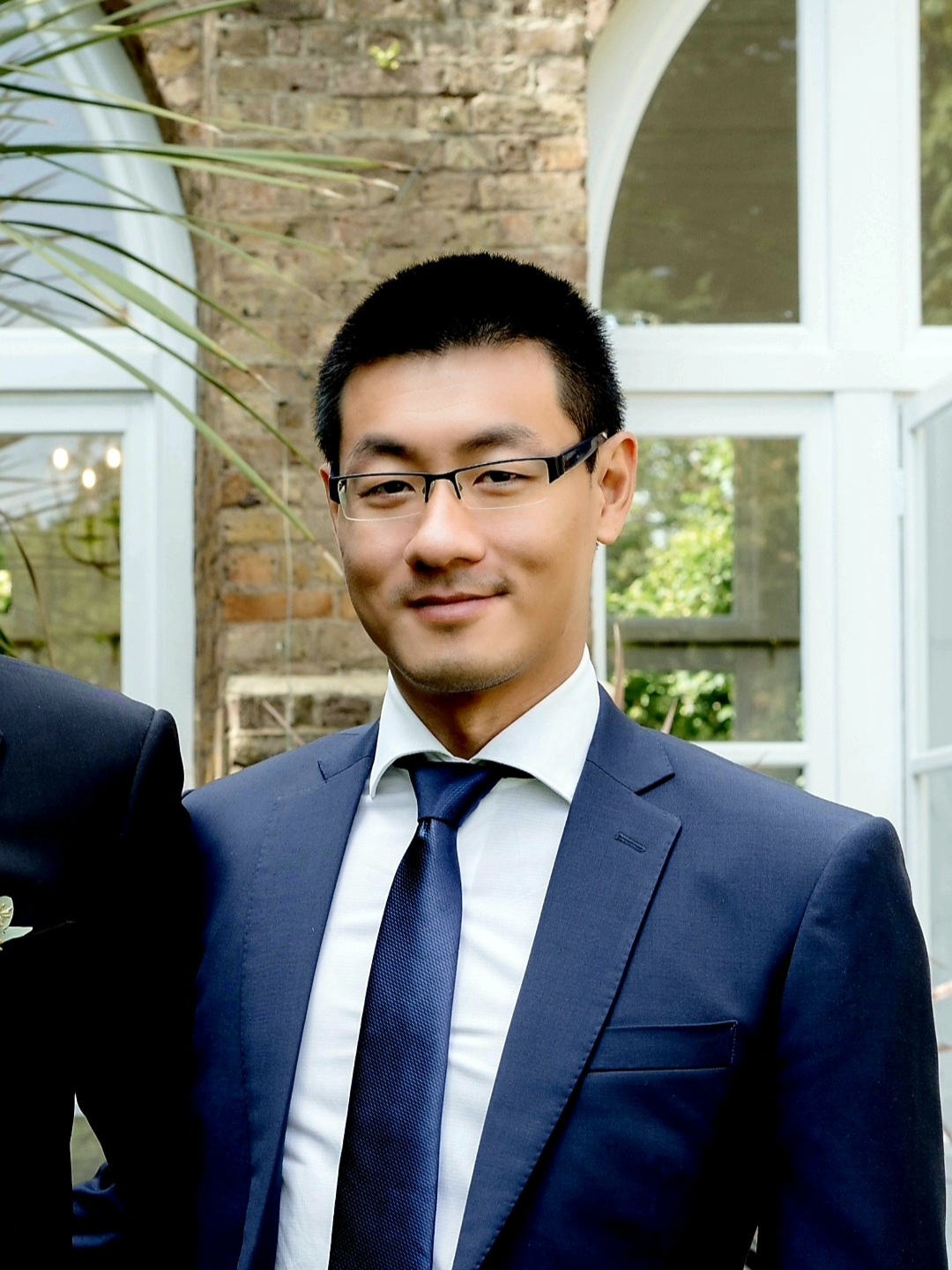
Matthieu , ou un autre de nos chasseurs in Zurich, prendra en charge votre recherche

Photo chasseur immobilier - Olivier - Zurich

Olivier, ou un autre de nos chasseurs in Zurich, prendra en charge votre recherche

Reliability of listings
Your hunter is there to select the goods, he visits them, alone, with you in person, or with you by video. And above all, he knows how to rely on reliable business partners who only present him with quality goods.
A pen icon
Market access
Your hunter can offer you his own goods, he also has access to all the offers published on the market, and even to quite a few off market offers
A pen icon
Scam risk
At Remoters, we no longer count the number of French people who have signed a rental contract abroad, without understanding it. Some unscrupulous sellers take advantage of this to insert conditions that are disadvantageous for the tenant. This cannot happen when the contract is reviewed by our hunter.
A pen icon
Access to local prices
Symbole d'information en cercle bleu foncé sur fond transparent.
When you search alone, about 85% of the time is spent on research, and 15% on visits. With a hunter, you only do the visits
A pen icon
Application accepted
In areas where homeowners have plenty of candidates to choose from, they rarely choose foreigners first. Your hunter will use his influence (and his mastery of the language) to put your case before others.
A pen icon
Satisfaction
Only 20% of satisfied buyers according to the 2018 Crédit Foncier study. For its part, Remoters gets a score of 4/5 or 5/5 in 95% of cases
A pen icon

Browsing online listings

Weak
Weak
Elevated
Icône rouge de croix X sur fond blanc.
Uncertain
20%

Finding with Remoters

Total
Total
Weak
Very likely
95%
Zurich
Zurich is Switzerland's largest city and consistently ranks first globally in Mercer's Quality of Living Report, making it one of the most sought-after destinations for long-term rentals. The city's rental market is extremely tight, with a vacancy rate of approximately 0.1% as of the City of Zurich's June 2025 census, meaning apartments on platforms such as Homegate and ImmoScout24 typically disappear within 16–18 days. Median net rents in 2024 stood at CHF 1,424/month for a 2-room flat and CHF 1,870/month for a 4-room flat, according to the City of Zurich's 2024 survey, with significant variation between central districts like Kreis 1 and Kreis 8 (Seefeld) and more affordable outer districts like Altstetten (Kreis 9) and Oerlikon (Kreis 11). A successful rental application requires a complete dossier including a debt enforcement extract (Betreibungsregisterauszug), payslips, and a residence permit, and Swiss law (Art. 257e CO) caps the security deposit at three months' net rent held in a blocked bank account. The ZVV public transport network, covering trams, buses, and S-Bahn trains across the entire canton, makes living in outer districts a practical and cost-effective alternative to central locations.

Zurich in brief: One of the world's most liveable cities and one of its most competitive rental markets. The vacancy rate is approximately 0.1% (City of Zurich, June 2025), median rents range from CHF 1,424/month (2-room) to CHF 1,870/month (4-room) net (City of Zurich, 2024), and listings disappear in under three weeks. Success requires a complete rental dossier, fast action, and a solid understanding of Swiss tenancy law. Districts like Kreis 4 (Langstrasse), Kreis 5 (Zurich-West), and Kreis 8 (Seefeld) are the most sought-after; outer districts like Altstetten and Oerlikon offer better value with good transport links via the ZVV network.

Zurich consistently ranks among the world's most liveable cities. In Mercer's 2024 Quality of Living Report, Zurich claimed the top spot globally, recognised for its exceptional public services, low crime rates, clean environment, and robust infrastructure.

For long-term residents and expatriates, the city offers a compelling combination of professional opportunity and quality of life:

  • World-class public transport: The ZVV network integrates trams, buses, S-Bahn trains, and lake boats into a single, punctual system covering the entire canton. A monthly pass for the city centre costs approximately CHF 85–100/month. Zurich ranks highest in Europe for public transport satisfaction.
  • International employment hub: Zurich is home to major employers in finance, technology, pharmaceuticals, and consulting, with a dense concentration of global firms and Swiss headquarters.
  • Education and healthcare: The city hosts ETH Zurich (Eidgenossische Technische Hochschule), consistently ranked among the world's top universities, as well as the University of Zurich. Healthcare standards are among the highest in the world.
  • Natural environment: Lake Zurich (Zurichsee) and the surrounding hills provide immediate access to swimming, hiking, and cycling. The Alps are reachable within 90 minutes by train.
  • Cultural life: Zurich offers a dense cultural calendar, including the Zurich Film Festival, the Kunsthaus Zurich art museum, and a thriving restaurant and nightlife scene centred on Langstrasse (Kreis 4) and Zurich-West (Kreis 5).
  • Safety and cleanliness: Zurich is consistently rated one of the safest and cleanest cities in the world, making it particularly attractive for families and long-term residents.

Day-to-day life in Zurich is comfortable, well-organised, and expensive. Here is what to expect as a long-term resident:

  • Public transport: The ZVV network covers trams, buses, S-Bahn trains, and lake boats across the entire canton of Zurich. A monthly pass for the city centre costs approximately CHF 85–100/month. The system is renowned for punctuality and cleanliness, and Zurich ranks highest in Europe for public transport satisfaction. Owning a car in the city is generally unnecessary and costly.
  • Groceries: The main supermarket chains are Migros and Coop, with more affordable options at Aldi and Lidl. A monthly grocery budget for one person typically ranges from CHF 300–450/month when shopping at discount chains. Fresh produce markets such as Burkliplatz and Helvetiaplatz operate regularly.
  • Dining out: Many restaurants offer weekday lunch menus for CHF 18–25, significantly cheaper than dinner. The Niederdorf area and Langstrasse (Kreis 4) offer a wide range of affordable and mid-range options.
  • Healthcare: Health insurance (Krankenkasse) is mandatory for all residents in Switzerland. Premiums vary by insurer, age, and chosen deductible (Franchise). Register with a health insurer within three months of arriving.
  • Language: The official language in Zurich is Swiss German (Schweizerdeutsch), though standard German (Hochdeutsch) is widely understood. English is commonly spoken in professional and international environments, but learning basic German significantly helps with daily life, rental applications, and administrative tasks.
  • Registration: Within 14 days of moving into a new apartment, you must register your address at the local Kreisburo or Einwohnerkontrolle. This is a legal requirement and triggers the issuance of your residence permit if applicable.
  • Recycling and waste: Zurich has a strict waste separation system. General household waste requires official Zuri-Sack bags (purchased at supermarkets). Recycling points for glass, paper, cardboard, and textiles are located throughout the city.

Zurich's rental market is one of the tightest in Europe. As of the City of Zurich's June 2025 vacancy census, the city's vacancy rate stands at just 0.1% — approximately 235 empty apartments across the entire city (Investropa, citing City of Zurich data, 2025/2026). This makes Zurich one of the most competitive rental markets on the continent.

Rental listings typically remain on the market for only 16 to 18 days on average, and well-priced units near public transport can be snapped up in as little as 7 to 10 days (Investropa, 2026). Demand consistently outpaces supply, driven by strong international employment, continued population growth, and very limited new construction in central districts.

The gap between existing long-term tenants' rents and new market rents has widened to around 30%, meaning new tenants entering the market today pay significantly more than long-standing residents in equivalent apartments (Investropa, 2026).

The main rental platforms used in Zurich are Homegate and ImmoScout24. Many apartments — particularly in sought-after districts — are also let through property management companies (Verwaltungen) or via word of mouth before ever appearing online. Registering directly with major property managers such as Livit, Wincasa, or Privera can give you access to listings before they go public.

The Swiss reference interest rate (Referenzzinssatz), set by the Swiss National Bank, directly influences permitted rent levels for existing contracts. Tenants and landlords alike should monitor changes to this rate, as it can trigger rent adjustments.

Zurich is divided into 12 administrative districts called Kreise (numbered 1 to 12), each with its own character, rental price level, and lifestyle profile. Choosing the right district is one of the most important decisions when searching for a long-term rental in Zurich.

Kreis 1 – Altstadt (Old Town): The historic heart of Zurich, home to the Grossmunster cathedral and Bahnhofstrasse. Rents are among the highest in the city. Best suited to professionals with generous budgets who want to be at the centre of everything.

Kreis 2 – Enge and Wollishofen: Lakeside living on the western shore of Lake Zurich. Popular with families and expats seeking green spaces and a quieter atmosphere. Rents are high but the quality of life is exceptional.

Kreis 4 – Aussersihl (Langstrasse): Zurich's most diverse and vibrant district, known for its nightlife, multicultural restaurants, and creative scene along Langstrasse. Popular with young professionals. Rents for 2–3 room apartments range from approximately CHF 2,000–3,500/month (Swissnest Relocation, 2025).

Kreis 5 – Zurich-West: A former industrial zone transformed into a trendy hub of galleries, co-working spaces, and design studios. Highly sought after by young professionals and creatives. Rents run 10–15% above the city average due to strong walkability and lifestyle appeal (Investropa, 2026).

Kreis 6 – Unterstrass and Oberstrass: A residential, family-friendly district close to the University of Zurich and ETH Zurich. Popular with academics, students, and families. Rents are more moderate than central districts.

Kreis 7 – Fluntern, Hottingen, Hirslanden, Witikon: An upscale, leafy district on the hillside above the city, close to the zoo and forest. Favoured by established professionals and families. Rents are high.

Kreis 8 – Seefeld and Muhlebach: Zurich's most prestigious residential district, with lakeside promenades, upscale restaurants, and a cosmopolitan atmosphere. Rents are among the highest in the city.

Outer districts (Kreise 9–12 – Altstetten, Oerlikon, Schwamendingen): More affordable options, typically CHF 1,400–2,500/month for smaller flats, with good S-Bahn and tram connections to the city centre (Swissnest Relocation, 2025). Ideal for budget-conscious tenants or families needing more space.

Zurich is one of the most expensive cities in the world for long-term rentals. The Swiss Federal Statistical Office (FSO) reported a national average net rent of CHF 1,485/month in 2024, with the Canton of Zurich consistently recording some of the highest rents in Switzerland.

Within the city, the 2024 City of Zurich survey places median net rents at CHF 1,424/month for a 2-room flat, CHF 1,578/month for a 3-room flat, and CHF 1,870/month for a 4-room flat. These are net figures — always add ancillary costs (Nebenkosten) of roughly CHF 150–300/month to get the true monthly outgoing.

A common rule of thumb applied by Zurich landlords is that your gross monthly income should be at least three times the monthly rent. This is a key threshold to keep in mind when targeting apartments in a given price range.

Beyond rent, budget for a security deposit of up to three months' net rent (Art. 257e CO), which must be deposited in a blocked bank account (Mietkautionskonto) in your name. Some tenants opt for a rental guarantee service (such as SwissCaution) as an alternative to tying up cash.

Renting in Zurich means budgeting carefully, as the city consistently ranks among the most expensive rental markets in Europe. According to the City of Zurich's 2024 survey, median net rents stand at approximately CHF 1,424/month for a 2-room apartment, CHF 1,578/month for a 3-room apartment, and CHF 1,870/month for a 4-room apartment.

These figures represent net rent (Nettomiete). Ancillary costs (Nebenkosten) — covering heating, water, and building maintenance — typically add CHF 150–300/month on top. Always request the gross rent (Bruttomiete) before comparing listings.

On top of monthly rent, Swiss law (Art. 257e CO) requires a security deposit of up to three months' net rent, held in a blocked bank account (Mietkautionskonto) in the tenant's name. This deposit is a significant upfront cost to factor into your moving budget.

  • Studio / 1-room: from approximately CHF 1,200/month (net) depending on district
  • 2-room apartment: approximately CHF 1,400–2,500/month (net)
  • 3-room apartment: approximately CHF 1,600–3,500/month (net)
  • 4-room apartment (family): approximately CHF 2,000–5,000/month (net) in central or lakeside districts

Renting an apartment in Zurich follows a structured process governed by Swiss tenancy law. Here is a step-by-step overview for prospective long-term tenants:

  1. Define your search criteria and budget: Determine your target district (Kreis), apartment size (number of rooms in Swiss convention), and maximum gross rent. Landlords typically require your gross monthly income to be at least three times the monthly rent.
  2. Search on the main platforms: The primary portals are Homegate.ch and ImmoScout24.ch. Also register directly with major property management companies (Livit, Wincasa, Privera) to access off-market listings.
  3. Prepare your rental dossier (Bewerbungsdossier): A complete dossier typically includes:
    • Copy of passport or residence permit (B, C, G or L permit for non-Swiss nationals)
    • Three most recent payslips
    • Debt enforcement extract (Betreibungsregisterauszug) — obtainable from the local debt enforcement office (Betreibungsamt)
    • Employer confirmation letter or employment contract
    • Cover letter introducing yourself
    • Bank statements (optional but helpful for self-employed applicants)
  4. Attend apartment viewings: Viewings in Zurich are often group sessions with multiple applicants. Arrive on time and bring a printed copy of your dossier.
  5. Submit your application promptly: Given the extremely low vacancy rate, submit your application the same day as the viewing.
  6. Sign the lease (Mietvertrag): Contracts are typically in German. Review carefully — or have it reviewed — before signing. Note the notice period (Kundigungsfrist), usually three months, and the lease start date.
  7. Pay the security deposit: Under Art. 257e CO, the deposit (up to three months' net rent) must be paid into a blocked bank account (Mietkautionskonto) in your name. Alternatively, use a rental guarantee service such as SwissCaution.
  8. Register with the residents' registration office (Einwohnerkontrolle): Within 14 days of moving in, register your new address at the local Kreisburo or Einwohnerkontrolle. This is a legal obligation in Switzerland.
  9. Conduct the move-in inspection (Wohnungsubergabe): Document the apartment's condition thoroughly with photos and a signed handover protocol. This protects your deposit at the end of the tenancy.

Finding a rental in Zurich is highly competitive. Avoiding common mistakes can make the difference between securing an apartment and losing it to another applicant.

  • Confusing net and gross rent: Many listings on Homegate or ImmoScout24 display the net rent (Nettomiete) without ancillary costs. Always ask for the gross rent (Bruttomiete) to compare offers accurately.
  • Submitting an incomplete rental dossier: A missing document — such as the debt enforcement extract (Betreibungsregisterauszug) or a residence permit — can immediately disqualify your application. Prepare a complete, well-organised dossier before you start applying.
  • Underestimating the deposit: Swiss law (Art. 257e CO) caps the security deposit at three months' net rent, but this is still a large upfront sum. Never transfer the deposit directly to a landlord's private account — it must go into a blocked bank account (Mietkautionskonto) in your name.
  • Ignoring the lease language: Rental contracts in Zurich are typically written in German. Have the contract reviewed or translated before signing, as Swiss tenancy law is precise and binding.
  • Applying without a Swiss bank account or local references: Landlords strongly prefer applicants with a Swiss bank account and local employer references. Set these up as early as possible after arriving.
  • Overlooking the room-counting convention: In Swiss listings, kitchens and bathrooms are not counted as rooms. A 3-room flat (3-Zimmer-Wohnung) has three rooms plus a kitchen and bathroom — roughly equivalent to a 2-bedroom apartment in other countries.
  • Waiting too long to act: With a city vacancy rate of approximately 0.1% (City of Zurich, June 2025 census), listings typically disappear within 16–18 days (Investropa, 2026). Respond to listings the same day they appear.
  • Act immediately: With listings staying on the market for only 16–18 days on average (Investropa, 2026), respond to new listings the same day they appear. Set up alerts on Homegate and ImmoScout24 for your target criteria.
  • Register with property managers directly: Many Zurich apartments are let by large property management companies (Livit, Wincasa, Privera) before they appear on public portals. Register on their waiting lists as early as possible.
  • Prepare your dossier in advance: Have your Betreibungsregisterauszug (debt enforcement extract), payslips, residence permit, and cover letter ready before you start applying. A complete dossier submitted immediately beats an incomplete one submitted later.
  • Understand the room-counting convention: Swiss listings count rooms excluding kitchen and bathroom. A 3-Zimmer-Wohnung has three rooms plus kitchen and bathroom — roughly a 2-bedroom apartment by international standards.
  • Always ask for the Bruttomiete: Listings often show net rent (Nettomiete). Always request the gross rent (Bruttomiete) including ancillary costs (Nebenkosten) to make accurate budget comparisons.
  • Consider outer districts: Kreise 9–12 (Altstetten, Oerlikon, Schwamendingen) offer significantly lower rents than central districts, with excellent ZVV tram and S-Bahn connections putting the city centre within 15–20 minutes.
  • Document everything at move-in: Take dated photographs of every room and note any existing damage on the handover protocol (Wohnungsbergabeprotokoll). This is your primary protection when reclaiming your deposit at the end of the tenancy.
  • Check the Swiss reference interest rate: The Swiss National Bank's reference interest rate (Referenzzinssatz) directly affects permitted rent levels. A rate reduction can entitle existing tenants to request a rent reduction.
  • Budget for ancillary costs and deposit upfront: Plan for up to three months' net rent as a security deposit (Art. 257e CO) plus the first month's rent before you move in. This is a substantial upfront cash requirement.

Finding a long-term rental in Zurich is a demanding process — the city's vacancy rate of approximately 0.1% (City of Zurich, June 2025) means competition is intense and the margin for error in your application is very small. Remoters connects you with experienced local rental search specialists who know the Zurich market, speak the local language, and can help you navigate every step of the process.

A Remoters rental search specialist in Zurich can help you:

  • Define a realistic search strategy based on your budget, district preferences, and timeline
  • Prepare a complete, compelling rental dossier (Bewerbungsdossier) that meets Swiss landlord expectations
  • Access off-market listings through established relationships with local property managers (Verwaltungen)
  • Attend viewings on your behalf or accompany you, and submit applications promptly
  • Review lease contracts (Mietvertrag) in German and flag any unusual clauses before you sign
  • Guide you through the deposit process, residents' registration (Einwohnerkontrolle), and move-in inspection (Wohnungsubergabe)

Whether you are relocating from abroad or moving within Switzerland, working with a local rental search specialist significantly increases your chances of securing the right apartment in one of the world's most competitive rental markets.

What are you looking for in Zurich?

One of our home finders will look for the ideal property for you

How does it work?

1

First contact:Your home finder offers a free call to understand your needs.

2
Quote: If you’re ready to move forward, you’ll receive a personalized quote via Remoters.
3
Mission start: Once approved and paid, the housing search begins.
4
Support: Your home finder assists you through to the lease signing and your arrival.
5
Feedback: Share your review — your satisfaction is our priority !
Couple allongé sur le lit, pieds contre la tête de lit, s'enlaçant et regardant l'un l'autre.

We are present around the world!

Remoters continues to grow!
We are recruiting new home finders everywhere, do not hesitate to apply
Carte du monde en trois panneaux avec des marqueurs rouges indiquant des emplacements en Amériques, Europe, Afrique et Asie.I am applying