
Find a place in Seville within 4 weeks

Drapeau du Royaume-Uni avec croix rouges et blanches sur fond bleu.
An English-speaking Home Finder, based on-site

Emoji de détective avec chapeau, loupe et cheveux gris.
Shortlists properties and visits them for you

Icône de deux mains se serrant avec des flèches bleues au-dessus symbolisant un accord ou partenariat.
Backs your application and negotiates the lease

Icône de bouclier vert avec une coche blanche, symbole de sécurité ou d'assurance.
Every step protected, no hidden surprises

Icône d'une petite bourse rose avec une fermeture dorée.

Personalised support from € 500

You only pay after approving your quote

Why choose a home finder ?

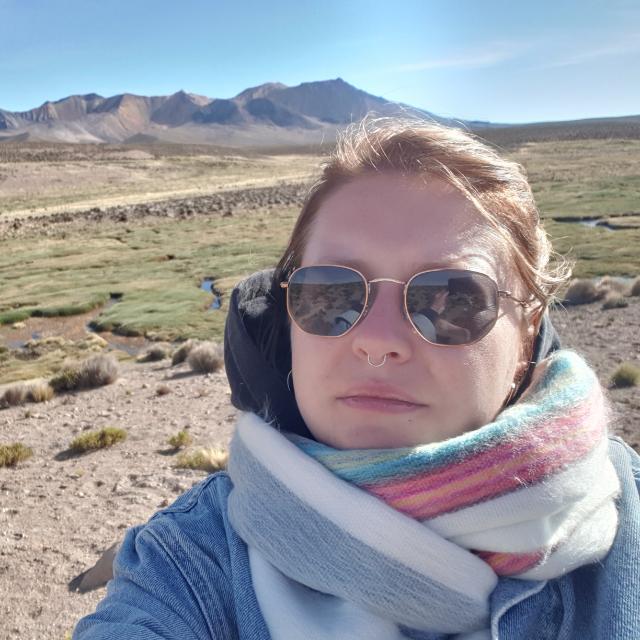
Charline, ou un autre de nos chasseurs à Séville, prendra en charge votre recherche

Photo chasseur immobilier - Shanelle - Seville

Shanelle, ou un autre de nos chasseurs à Séville, prendra en charge votre recherche

Reliability of listings
Your hunter is there to select the goods, he visits them, alone, with you in person, or with you by video. And above all, he knows how to rely on reliable business partners who only present him with quality goods.
A pen icon
Market access
Your hunter can offer you his own goods, he also has access to all the offers published on the market, and even to quite a few off market offers
A pen icon
Scam risk
At Remoters, we no longer count the number of French people who have signed a rental contract abroad, without understanding it. Some unscrupulous sellers take advantage of this to insert conditions that are disadvantageous for the tenant. This cannot happen when the contract is reviewed by our hunter.
A pen icon
Access to local prices
Symbole d'information en cercle bleu foncé sur fond transparent.
When you search alone, about 85% of the time is spent on research, and 15% on visits. With a hunter, you only do the visits
A pen icon
Application accepted
In areas where homeowners have plenty of candidates to choose from, they rarely choose foreigners first. Your hunter will use his influence (and his mastery of the language) to put your case before others.
A pen icon
Satisfaction
Only 20% of satisfied buyers according to the 2018 Crédit Foncier study. For its part, Remoters gets a score of 4/5 or 5/5 in 95% of cases
A pen icon

Browsing online listings

Weak
Weak
Elevated
Icône rouge de croix X sur fond blanc.
Uncertain
20%

Finding with Remoters

Total
Total
Weak
Very likely
95%
Seville
Seville, the capital of Andalusia, is one of Spain's most affordable and culturally rich cities for long-term renters, with one-bedroom apartments in the city centre typically ranging from 700 EUR/mois to 1,100 EUR/mois (source: Numbeo / HousingAnywhere, 2024–2025). The rental market is governed by the Ley de Arrendamientos Urbanos (LAU), which grants tenants strong protections including a minimum lease duration of five years. Popular neighbourhoods for long-term residents include Triana, known for its flamenco heritage and authentic atmosphere, Nervión, a modern family-friendly district with excellent metro connections, and Los Remedios, a quiet residential area on the west bank of the Guadalquivir. Foreign tenants are required to obtain a NIE (Número de Identificación de Extranjero) and register their address at the local Padrón Municipal (empadronamiento) after signing a lease. With over 43,000 foreign-born residents according to the Junta de Andalucía, Seville has a well-established international community and a growing appeal among remote workers and expats.

Renting long-term in Seville in brief: Seville is one of Spain's most affordable cities for renters, with one-bedroom apartments ranging from approximately 500 EUR/mois to 1,100 EUR/mois depending on location (source: Numbeo / HousingAnywhere, 2024–2025). The market is competitive — prepare your documents (NIE, proof of income, bank statements) in advance and be ready to act quickly. Long-term leases are governed by the LAU, which provides strong tenant protections including a minimum 5-year lease duration. Top neighbourhoods include Triana, Nervión, Santa Cruz, and Los Remedios. Don't forget to register at the local Padrón Municipal after moving in.

Seville, the capital of Andalusia, is one of Spain's most captivating cities and an increasingly popular destination for long-term residents, expats, and remote workers. Several factors make it stand out as a place to live:

  • Affordable cost of living: Compared to Madrid or Barcelona, Seville offers a significantly lower cost of living. According to HousingAnywhere (2024–2025), a single person can live comfortably on approximately 1,297 EUR/mois including rent.
  • Rich cultural heritage: Seville is home to UNESCO World Heritage Sites including the Catedral de Santa María de la Sede, the Giralda, and the Alcázar. The city is also the birthplace of flamenco and hosts world-famous events such as the Feria de Abril and Semana Santa.
  • Climate: Seville enjoys one of the sunniest climates in Europe, with long, warm summers and mild winters, making outdoor life pleasant for much of the year.
  • Expat community: According to figures from the Junta de Andalucía, over 43,000 foreign-born residents live in Seville, supporting a well-established international community with dedicated social groups and events.
  • Transport and connectivity: The city is well connected by the AVE high-speed rail network, with direct links to Madrid and other major Spanish cities. Local transport includes buses, the metro, and a growing cycling infrastructure.
  • University city: The Universidad de Sevilla is one of Spain's largest universities, giving the city a young, dynamic atmosphere and a wide range of cultural and social activities.

Living in Seville on a day-to-day basis is generally comfortable and well-organised. Here is what to expect once you have secured your long-term rental:

  • Transport: Seville has a reliable public transport network including buses, a metro (with lines serving Nervión, San Bernardo, and other key districts), and a well-developed cycling infrastructure with the Sevici bike-sharing scheme. The city is also very walkable in its central areas.
  • Healthcare: Once registered at the Padrón Municipal, EU citizens and legal residents can access the Spanish public health system (Sistema Nacional de Salud). The main public hospital is the Hospital Universitario Virgen del Rocío. Private health insurance is also widely available and used by many expats.
  • Shopping and daily life: Seville has a wide range of supermarkets (Mercadona, Carrefour, Lidl), local markets such as the Mercado de Triana and the Mercado de la Encarnación, and a thriving restaurant and tapas bar scene. Daily grocery costs are generally lower than in northern European cities.
  • Education: Families with children will find a range of public, semi-private (concertado), and international schools. The Universidad de Sevilla is one of Spain's largest universities, and the city has a strong academic infrastructure.
  • Administrative steps after arrival: Key tasks include registering at the Padrón Municipal, obtaining or updating your NIE, opening a Spanish bank account (required by most landlords for rent payments), and setting up utility contracts if not included in your lease.
  • Climate and lifestyle: Seville's climate features hot summers (temperatures regularly exceeding 35°C in July and August) and mild winters. Air conditioning is essential in most rentals. The city's relaxed pace, rich cultural calendar, and strong sense of community make it a rewarding place to live long-term.

The long-term rental market in Seville has grown increasingly competitive over recent years. Demand from local residents, students, expats, and remote workers has risen steadily, while the supply of well-located, reasonably priced apartments has not kept pace. According to data from Investropa (2026), occupancy rates in prime areas exceed 95%, reflecting the intensity of demand. Rental values have increased across the board, with the strongest pricing seen in Casco Antiguo, Los Remedios, and Nervión, where renovated properties attract executives and international tenants (source: The Luxury Playbook, 2025). The tightening of regulations on short-term tourist rentals under Andalusia's Decreto 31/2024 has pushed some landlords back towards the long-term market, which may gradually improve availability. The main rental search platforms used in Seville are Idealista (Spain's largest portal), Fotocasa, and international platforms such as HousingAnywhere. Given the pace of the market, prospective tenants are advised to prepare their rental file in advance and be ready to act quickly when a suitable property becomes available.

Seville is made up of diverse neighbourhoods, each with its own character, rental price range, and lifestyle. Here is an overview of the main areas to consider for a long-term rental:

  • Santa Cruz (Barrio de Santa Cruz): The historic Jewish quarter, with cobbled streets, hidden squares, and proximity to the Cathedral and Alcázar. Highly sought-after and among the most expensive areas for rentals. Ideal for those who want to be at the heart of the city's cultural life, though it can be busy with tourists.
  • Triana: Located across the Guadalquivir river, Triana is known for its flamenco tradition, lively nightlife, and authentic Sevillian atmosphere. Popular with students and young professionals. Rents are slightly lower than in the historic centre, making it a good value option.
  • Nervión: A modern, well-connected district east of the historic centre, with shopping centres, parks, and good transport links including metro stations. Favoured by families and professionals. Rental prices are mid-to-upper range.
  • Los Remedios: A quiet, residential neighbourhood on the west bank of the Guadalquivir, popular with families. Offers a calmer lifestyle with good amenities. Larger apartments are available, typically from 1,500 EUR/mois (source: Residaro, 2026).
  • Macarena: A large, diverse neighbourhood north of the historic centre, known for its basilica and traditional character. More affordable than central areas, with rents around 11.80 EUR/m² (source: HousingAnywhere, 2024–2025).
  • Alameda de Hércules: A trendy, bohemian area with a vibrant LGBTQIA+ community and active nightlife. Popular with younger residents and creatives. Rents are moderate, around 13.00 EUR/m² (source: HousingAnywhere, 2024–2025).
  • Reina Mercedes: Close to the Universidad de Sevilla campus, this area is ideal for students and academics, with a lively, youthful atmosphere.

Seville remains one of the most affordable major cities in Spain for long-term renters. Compared to Madrid or Barcelona, monthly rents are considerably lower, making the city particularly attractive for expats, remote workers, and students. A comfortable one-bedroom apartment in a well-connected neighbourhood can be secured for between 700 EUR/mois and 1,000 EUR/mois, while those on a tighter budget can find shared accommodation or rooms from around 350 EUR/mois to 500 EUR/mois (source: HousingAnywhere, 2024–2025). It is important to note that the rental market has become increasingly competitive in recent years, with demand outpacing supply in central and popular areas. Acting quickly when a suitable listing appears and having all required documents ready in advance is strongly recommended. Beyond rent, tenants should budget for utilities (electricity, water, internet), which typically add 100 EUR/mois to 150 EUR/mois to monthly outgoings.

Rental prices in Seville vary significantly depending on the neighbourhood, apartment size, and level of furnishing. According to data from Numbeo and HousingAnywhere (2024–2025), a one-bedroom apartment in the city centre typically rents for between 700 EUR/mois and 1,100 EUR/mois, while the same type of property outside the centre ranges from 500 EUR/mois to 900 EUR/mois. Studios in peripheral areas can be found from around 450 EUR/mois, whereas larger two-bedroom flats in sought-after districts such as Triana or Nervión generally range from 1,000 EUR/mois to 1,400 EUR/mois (source: Residaro, 2026). Families requiring three or more bedrooms in quieter residential zones like Los Remedios should budget upwards of 1,500 EUR/mois. Furnished apartments command a premium over unfurnished equivalents, and newly renovated properties in central locations sit at the top of the market. Utility costs (electricity, water, internet) are typically not included in the quoted rent and should be factored into the overall monthly budget.

Renting a long-term apartment in Seville follows a structured process governed by Spanish law, specifically the Ley de Arrendamientos Urbanos (LAU). Here are the key steps:

  1. Define your search criteria: Identify your preferred neighbourhood, budget (in EUR/mois), apartment size, and whether you need a furnished or unfurnished property. Use platforms such as Idealista or Fotocasa to browse available listings.
  2. Prepare your rental file: Landlords in Seville typically require: a valid passport or NIE (Número de Identificación de Extranjero), proof of income (employment contract, payslips, or bank statements), and sometimes a guarantor or additional deposit for foreign tenants without a Spanish employment history.
  3. Visit properties: Arrange in-person viewings wherever possible. The market moves quickly, so be prepared to make a decision promptly.
  4. Sign the lease: Long-term residential leases in Spain have a minimum effective duration of 5 years (or 7 years if the landlord is a legal entity), even if the initial contract is signed for a shorter period, thanks to automatic renewal rights under the LAU.
  5. Pay the deposit: Under Spanish law, the security deposit is capped at 1 month's rent for unfurnished properties and 2 months for furnished ones. Landlords may also request additional guarantees.
  6. Register at the town hall (empadronamiento): Once you have the keys, register your address at the local Padrón Municipal. This is essential for accessing public services, healthcare, and other administrative procedures.
  7. Set up utilities: Arrange contracts for electricity, water, and internet if they are not included in the rent.

When searching for a long-term rental in Seville, several common mistakes can complicate or delay the process:

  • Committing to a long-term lease before visiting in person: Signing a contract remotely without seeing the property or the neighbourhood first is a frequent error. Arriving on a short-term rental for a few weeks before committing to a long-term lease is strongly advisable.
  • Not having documents ready: Landlords in Seville expect a complete rental file from the outset. Missing documents — such as proof of income, bank statements, or a valid NIE (Número de Identificación de Extranjero) — can cause you to lose a property to another applicant.
  • Ignoring the lease type: Spain distinguishes between long-term residential leases (governed by the LAU), seasonal contracts, and tourist rentals. Signing a seasonal contract when you intend to establish your primary residence can deprive you of important tenant protections.
  • Underestimating upfront costs: Beyond the first month's rent, tenants typically pay a security deposit of 1 to 2 months' rent and, in some cases, an agency fee. Failing to budget for these costs is a common oversight.
  • Overlooking the empadronamiento: Registering your address at the local town hall (Padrón Municipal) is essential for accessing public services, healthcare, and certain administrative procedures. Many tenants delay this step unnecessarily.
  • Relying solely on tourist rental platforms: Short-term tourist rentals do not allow empadronamiento and offer no long-term tenant protections. For a genuine long-term stay, use dedicated platforms such as Idealista or Fotocasa.
  • Start your search on Idealista and Fotocasa: These are Spain's two leading rental portals and offer the widest selection of long-term listings in Seville. Set up alerts to be notified as soon as new properties matching your criteria are listed.
  • Prepare your rental file before you start viewing: Have your passport or NIE, proof of income (payslips, employment contract, or bank statements), and references ready. Landlords in a competitive market will favour applicants who can provide a complete file immediately.
  • Consider arriving on a short-term rental first: Spending a few weeks in Seville before committing to a long-term lease allows you to explore different neighbourhoods and make a more informed decision.
  • Act quickly: The Seville rental market is competitive, particularly in central areas. If you find a property that meets your needs, do not delay — good apartments are taken fast.
  • Understand the lease type you are signing: Ensure your contract is a long-term residential lease (arrendamiento de vivienda) under the LAU, not a seasonal or tourist rental, to benefit from full tenant protections including the 5-year minimum duration.
  • Budget for upfront costs: In addition to the first month's rent, plan for a security deposit of 1 to 2 months' rent and, potentially, an agency fee.
  • Register at the Padrón Municipal promptly: Empadronamiento (address registration at the local town hall) is essential for accessing healthcare, public services, and other administrative procedures in Spain.
  • Get your NIE early: If you do not yet have a NIE, apply at the Foreigners' Office (Oficina de Extranjeros) in Seville as early as possible, as processing times can vary.

Finding a long-term rental in Seville can be a complex and time-consuming process, especially for newcomers unfamiliar with the local market, Spanish rental law, and administrative requirements. Remoters offers a dedicated rental search support service to help you navigate every step of the process — from identifying the right neighbourhood and shortlisting suitable properties, to preparing your rental file and understanding your rights as a tenant under the Ley de Arrendamientos Urbanos (LAU). Whether you are relocating from abroad, moving within Spain, or searching remotely before your arrival, Remoters can help you avoid common pitfalls and secure a rental that matches your needs and budget in Seville.

Buying property in Seville from abroad comes with significant challenges: language barriers, unfamiliarity with local neighborhoods, legal complexities, and the impossibility of visiting properties in person at short notice. A property hunter based in Seville acts as your trusted local expert, handling every step of the search on your behalf.

They scout properties that match your exact criteria, attend viewings for you, negotiate the best price, and coordinate with notaries and lawyers. With a property hunter, you avoid costly mistakes and save months of remote searching. Remoters connects you with vetted, experienced property hunters in Seville so your investment is protected from day one.

Finding a rental in Seville from another country is notoriously difficult. Listings disappear within hours, landlords prefer local tenants, and scams targeting foreigners are common. A local property hunter in Seville gives you a decisive advantage by acting immediately on your behalf.

Your hunter will visit apartments in person, send you detailed video tours, verify the landlord's credentials, review the lease contract, and negotiate rental terms. They know which neighborhoods suit your lifestyle and budget — whether you prefer the historic charm of Santa Cruz or the vibrant energy of Triana. Through Remoters, you are matched with a property hunter who specializes in rentals in Seville, ensuring a smooth and secure process from abroad.

Moving to Seville as an international student means navigating a competitive rental market with very little local knowledge and often no Spanish-language skills. Student housing near universities like Universidad de Sevilla or Universidad Pablo de Olavide is in high demand, and the best options are gone before most students even land.

A property hunter specializing in student accommodation in Seville knows exactly where to look, which landlords accept international students, and how to secure a room or apartment quickly. They handle all communications in Spanish, verify contracts to protect your rights, and can even arrange key handover on your arrival day. Remoters helps international students connect with property hunters in Seville who understand your specific needs and timeline.

Searching for property in Seville on your own from abroad is time-consuming, stressful, and risky. Without local expertise, you may overpay, miss hidden gems, or fall victim to fraudulent listings. Remoters simplifies the entire process by connecting you directly with certified, experienced property hunters who live and work in Seville.

  • Vetted professionals: Every property hunter on Remoters is carefully selected for their local expertise and track record.
  • Personalized matching: You are paired with a hunter whose specialization matches your project — purchase, rental, or student housing.
  • Full transparency: You know exactly what services are included and at what cost before committing.
  • Time savings: Your hunter does all the legwork while you focus on your life abroad.

Whether you are investing, relocating, or studying, Remoters is your gateway to a stress-free property search in Seville.

What are you looking for in Seville?

One of our home finders will look for the ideal property for you

How does it work?

1

First contact:Your home finder offers a free call to understand your needs.

2
Quote: If you’re ready to move forward, you’ll receive a personalized quote via Remoters.
3
Mission start: Once approved and paid, the housing search begins.
4
Support: Your home finder assists you through to the lease signing and your arrival.
5
Feedback: Share your review — your satisfaction is our priority !
Couple allongé sur le lit, pieds contre la tête de lit, s'enlaçant et regardant l'un l'autre.

We are present around the world!

Remoters continues to grow!
We are recruiting new home finders everywhere, do not hesitate to apply
Carte du monde en trois panneaux avec des marqueurs rouges indiquant des emplacements en Amériques, Europe, Afrique et Asie.I am applying